
Beard transplant in London.
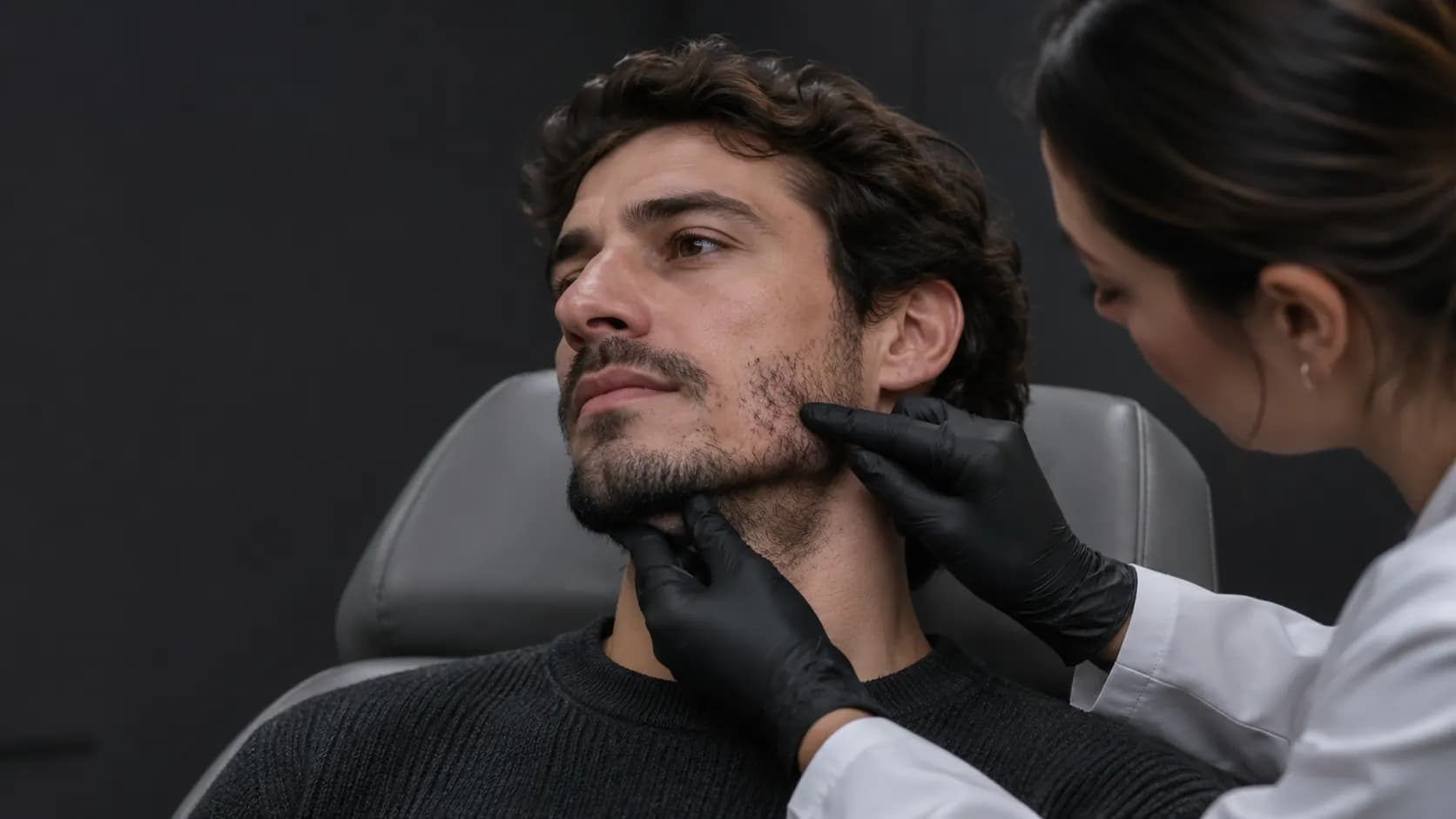
A fuller beard needs more than filling every gap. Discuss the outline, density, hair characteristics and direction that could suit your face at a free initial consultation on Regent Street.
- Free initial consultation
- Face-to-face advice in Mayfair
- A plan based on your needs
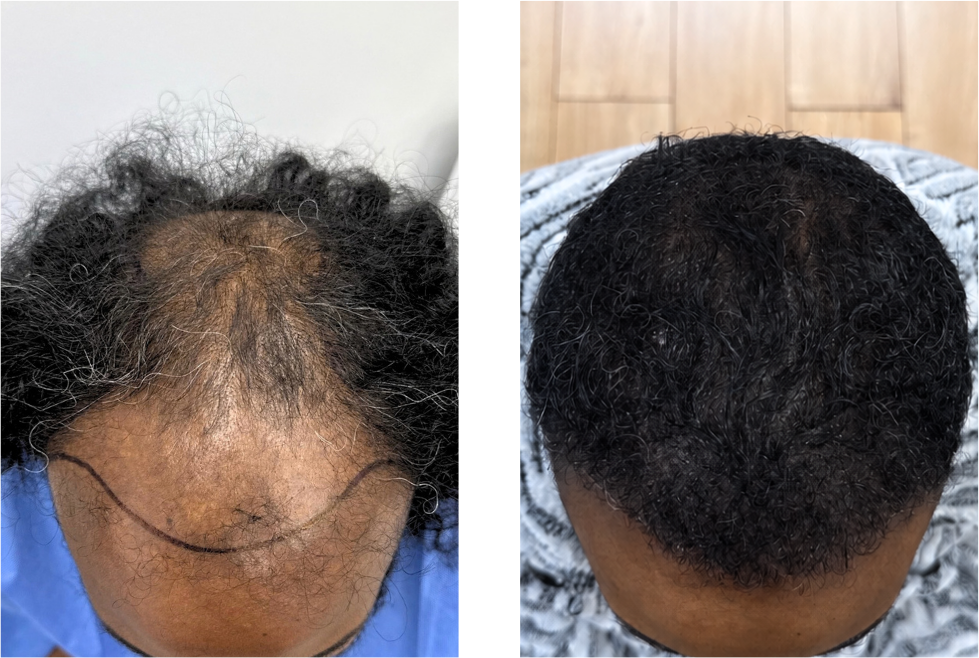
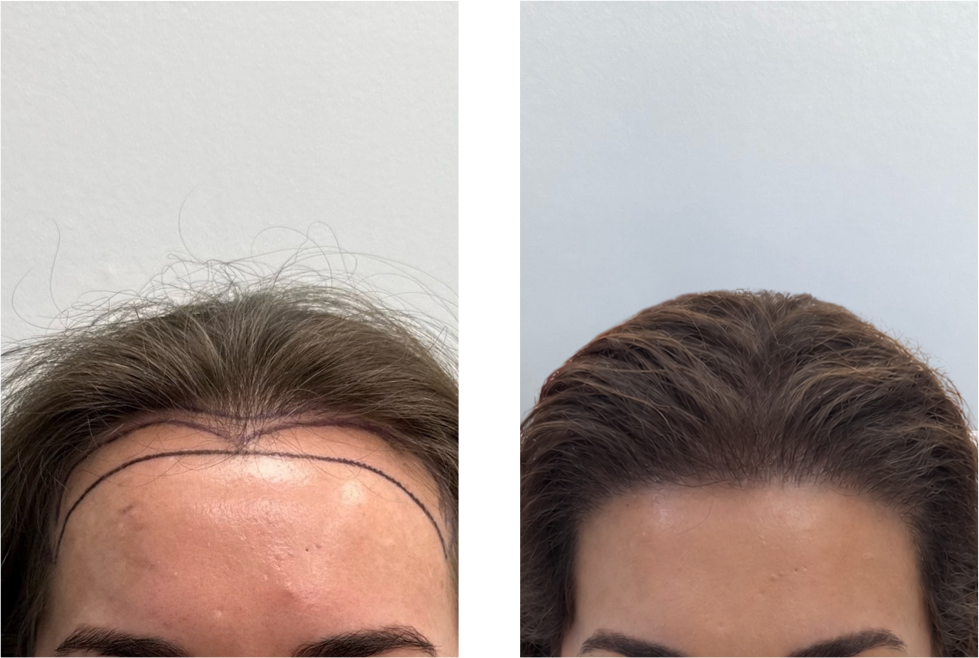
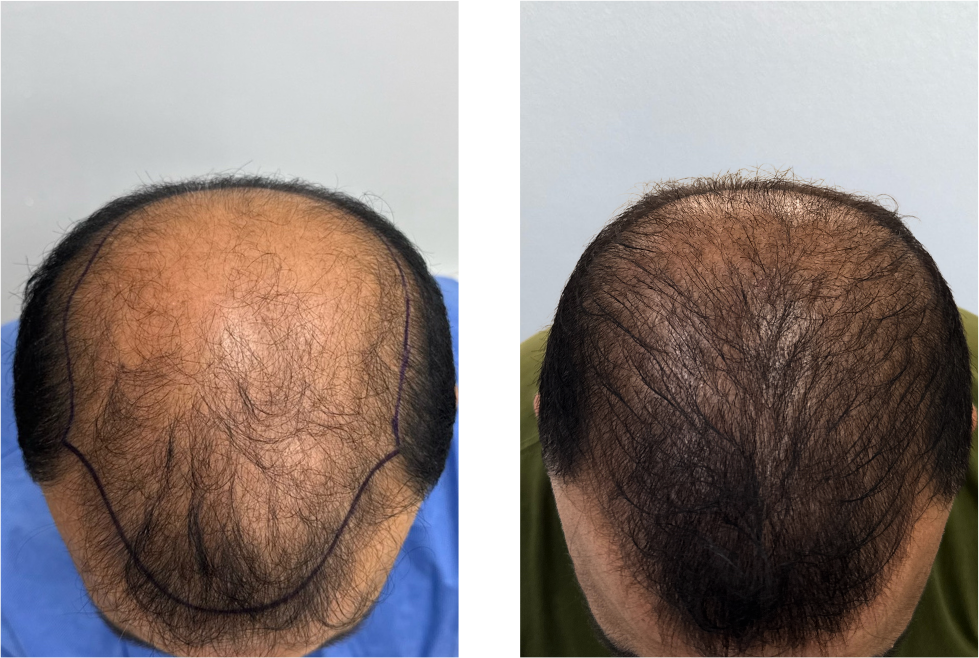
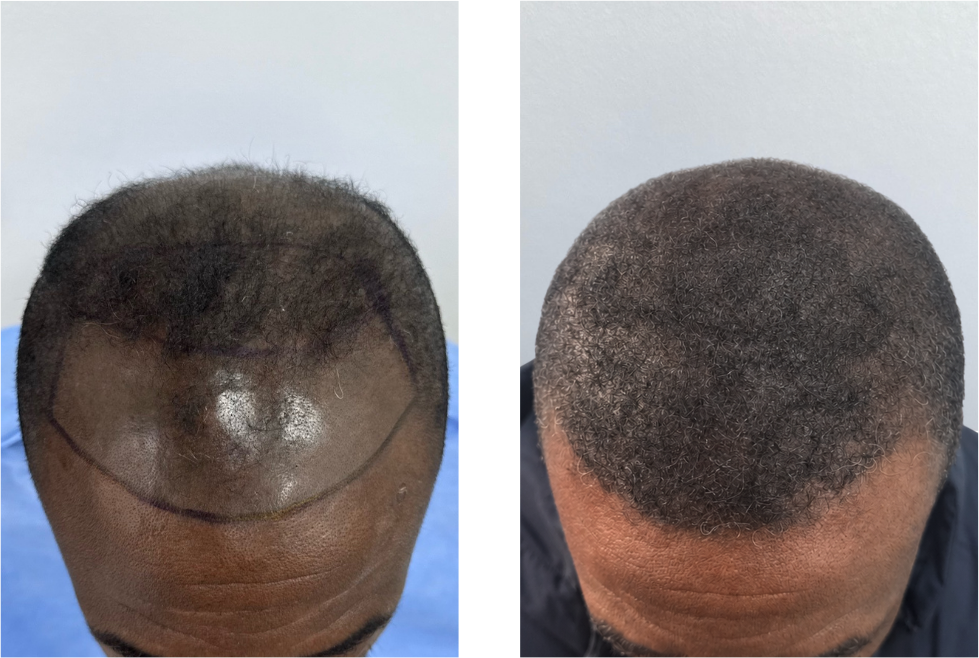
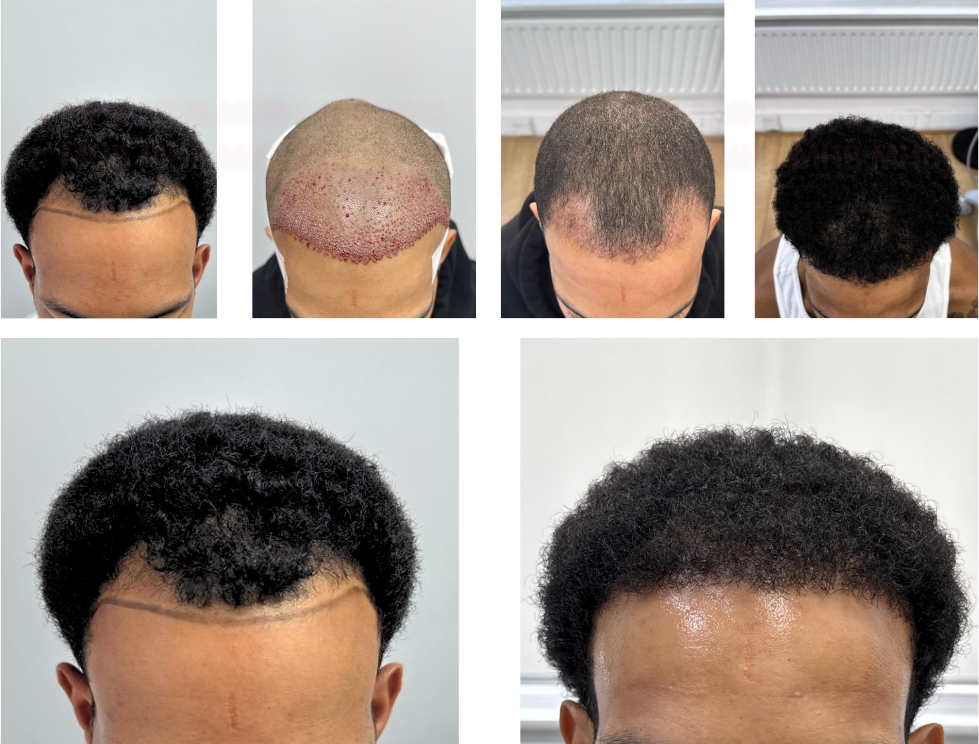
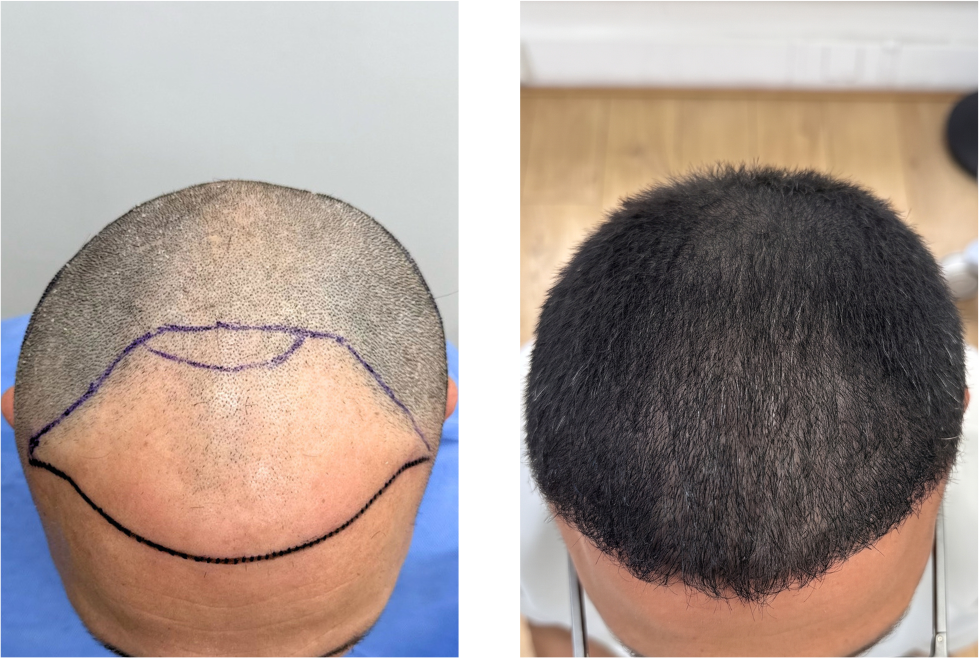
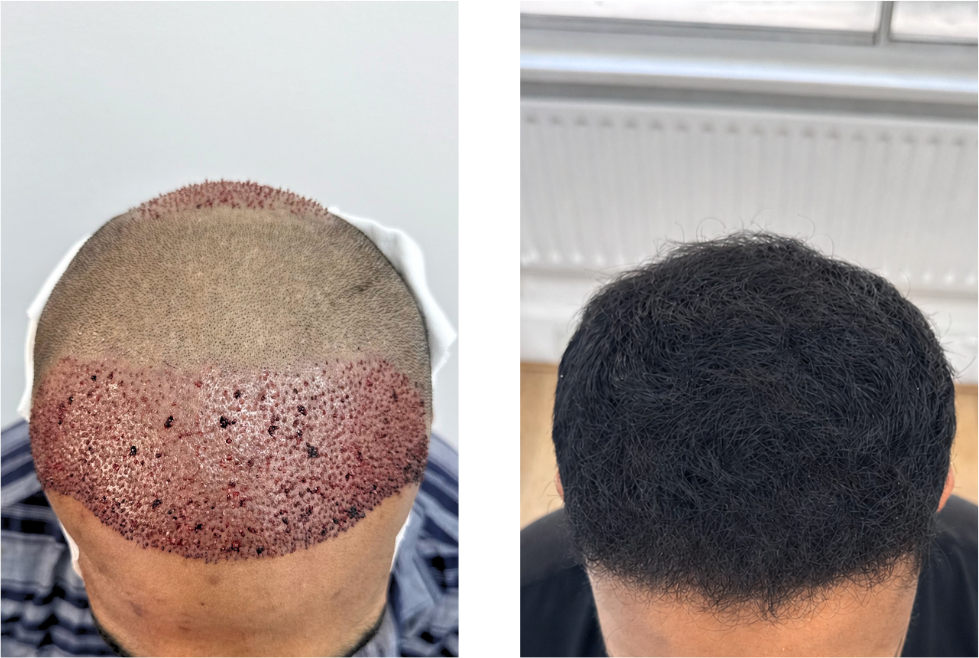
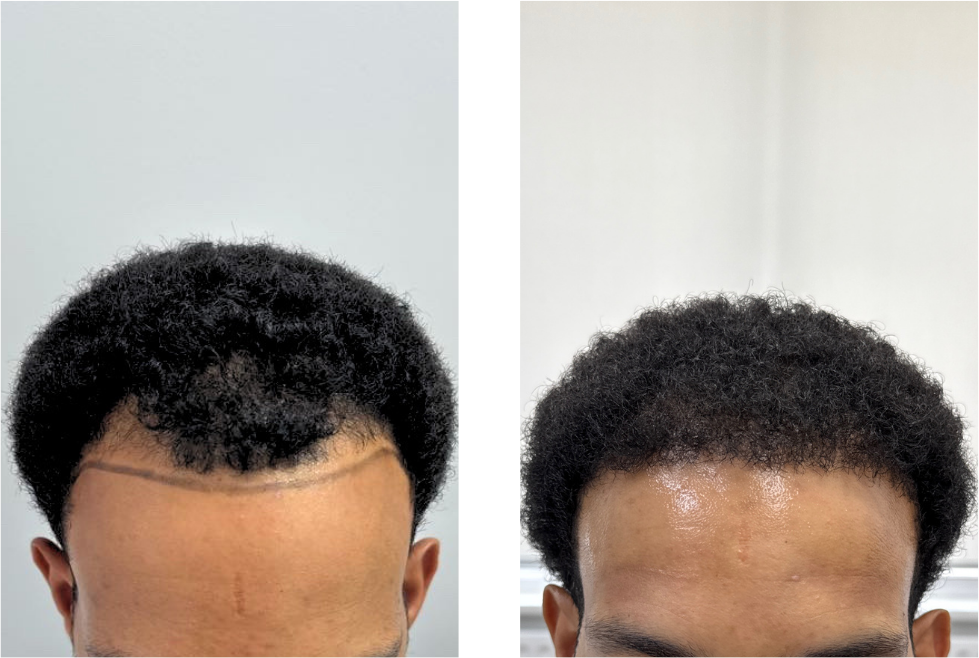
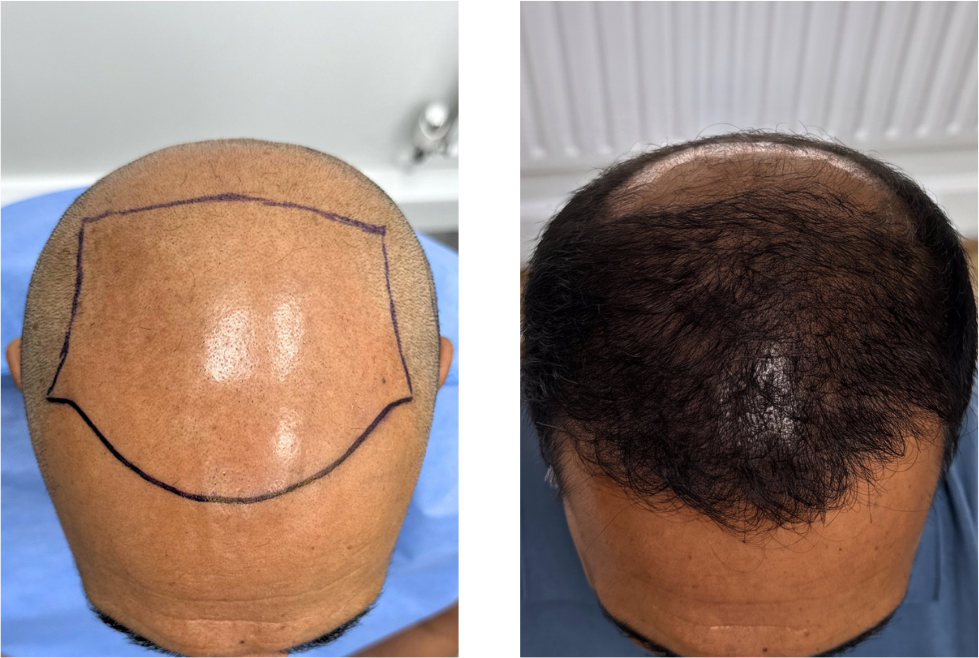
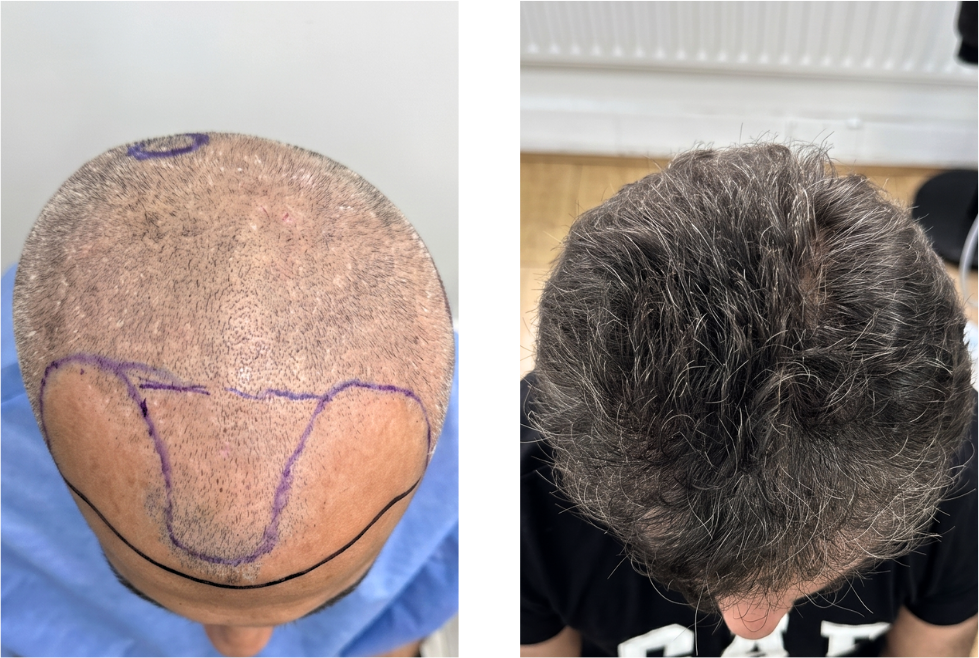
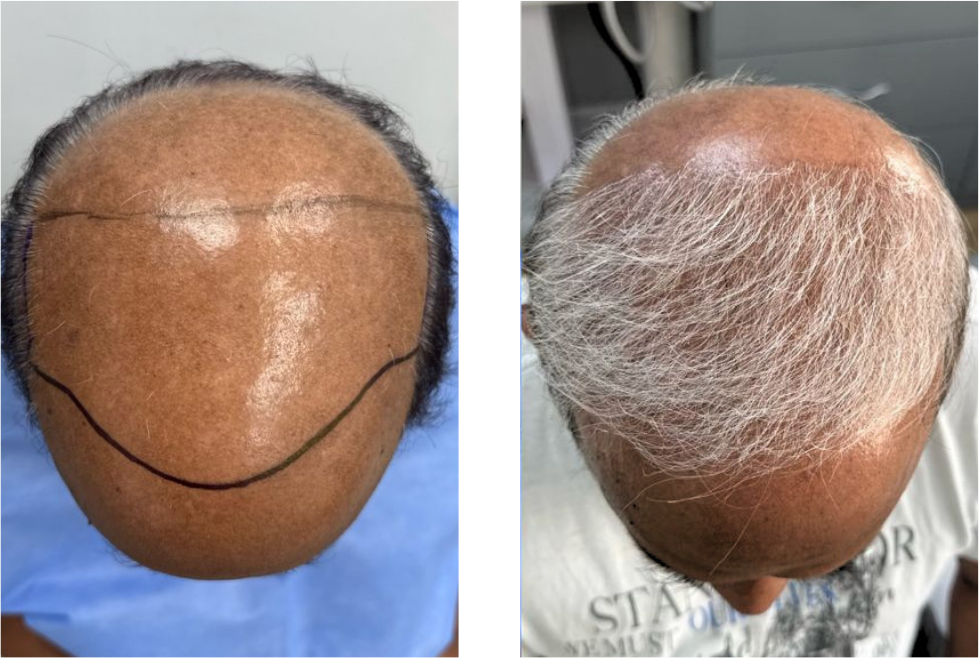
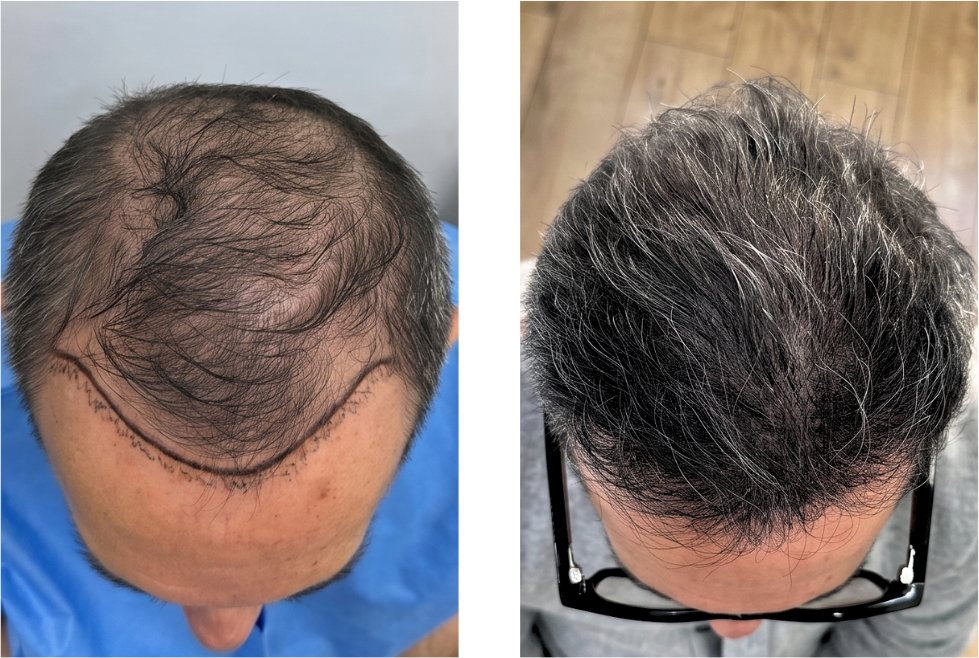
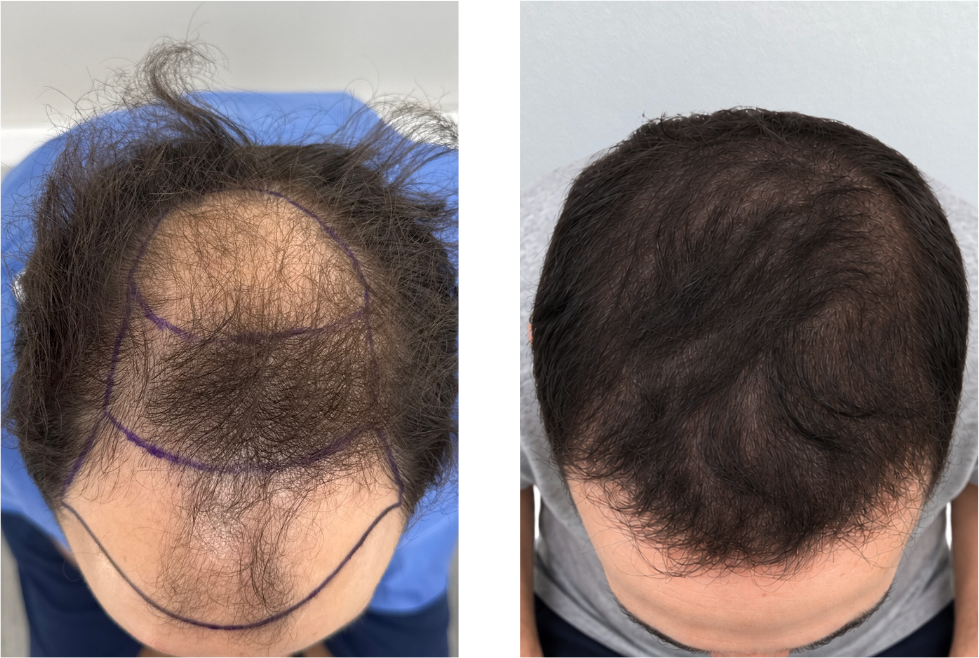
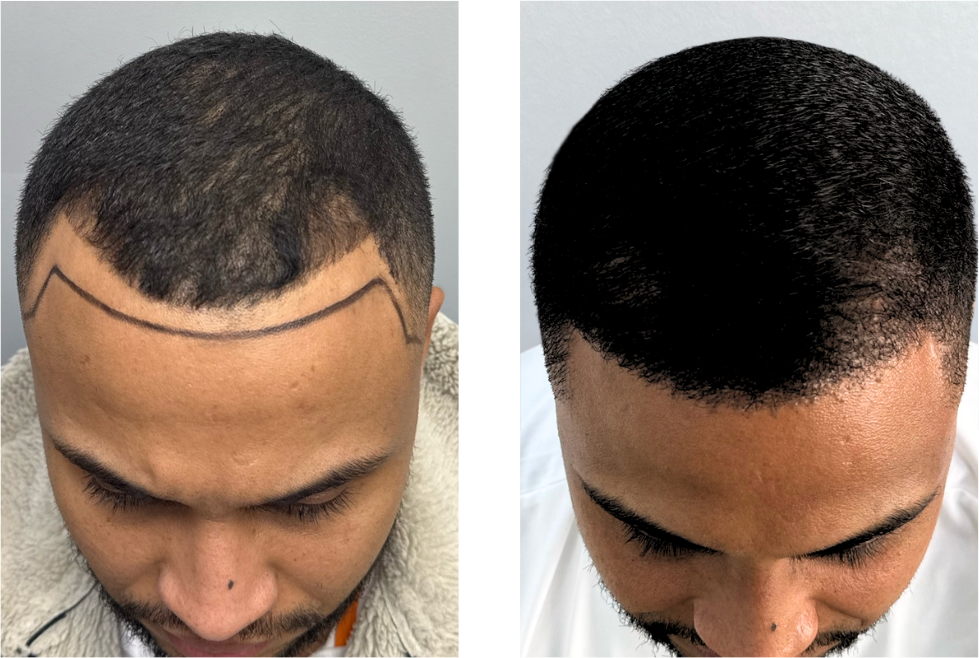
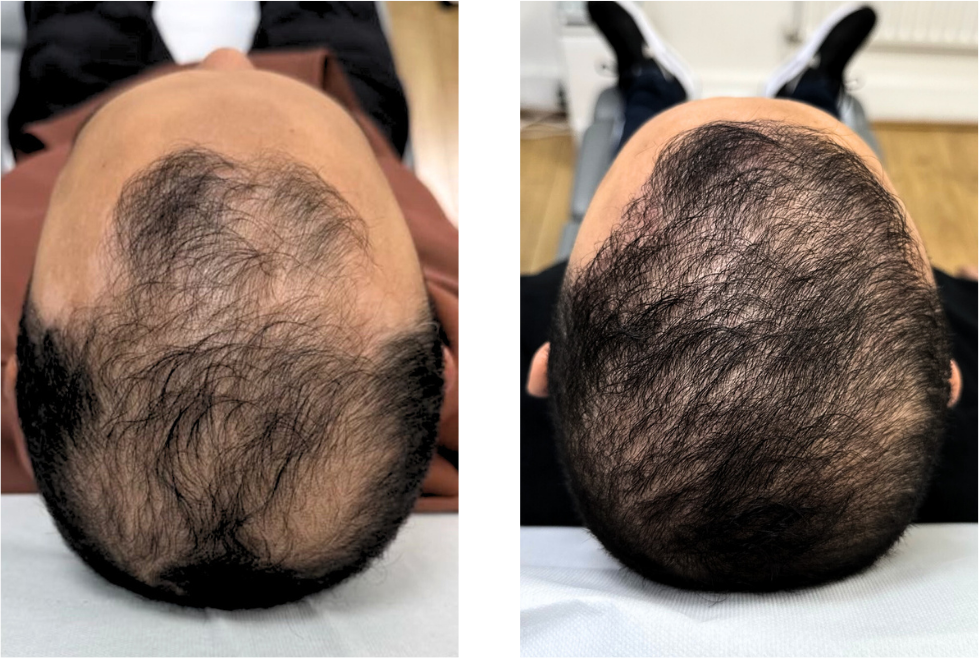
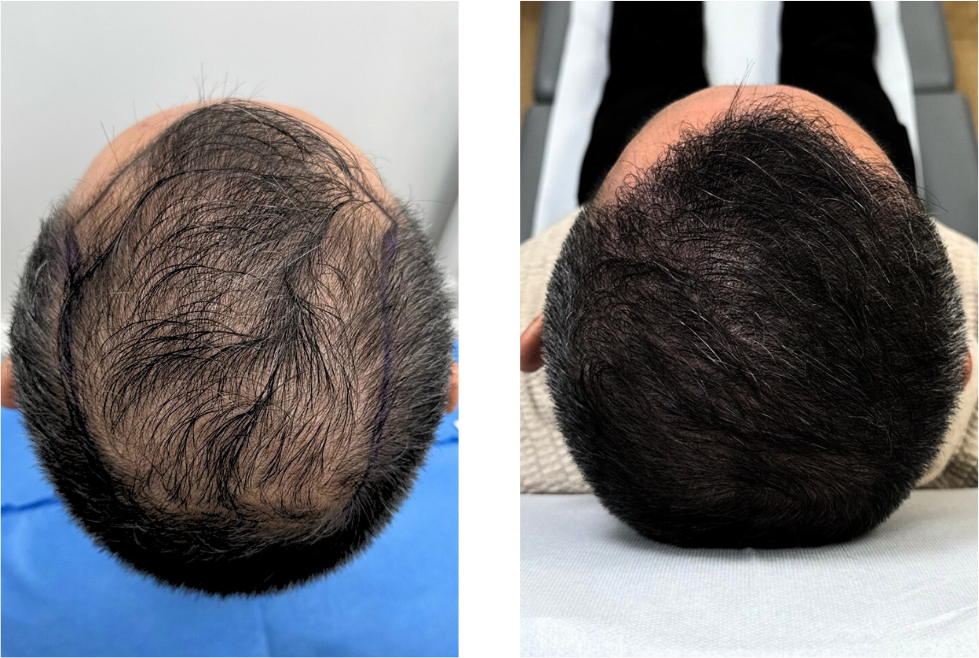
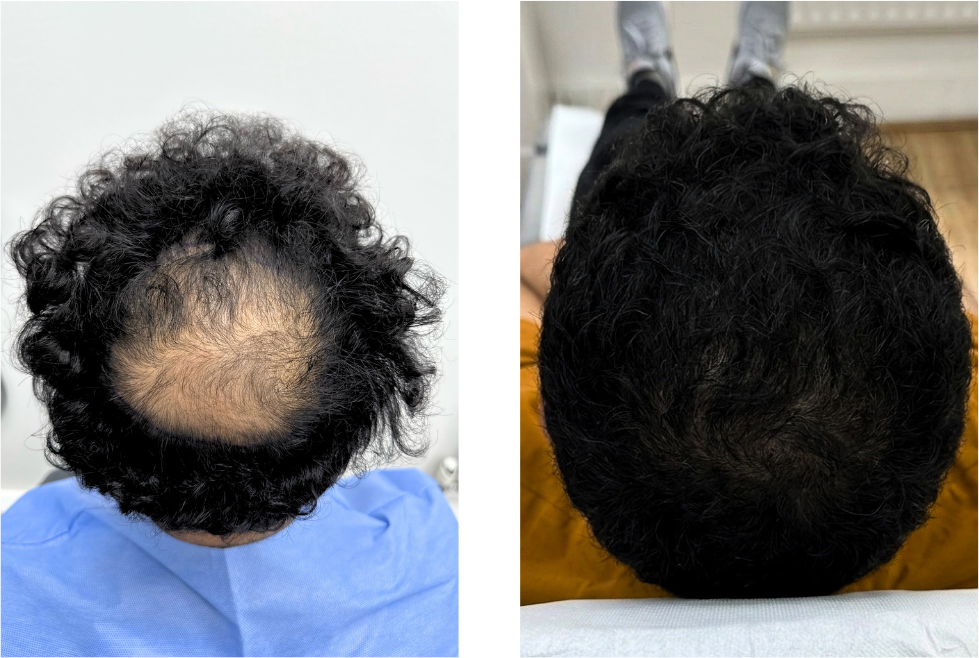
Hair transplant: patient progress.
Scalp hair transplant progress photographs from MHB Aesthetic. These cases illustrate scalp transplantation; suitability and expected outcomes for your treatment are assessed individually.
Individual results vary. Your assessment helps establish what may be achievable for you.
Discuss your options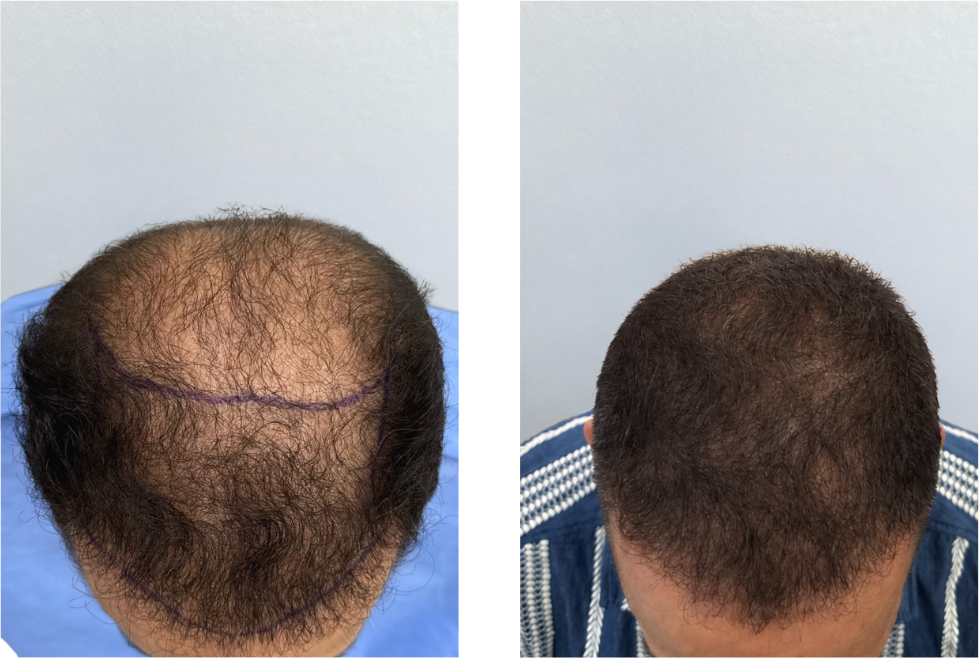
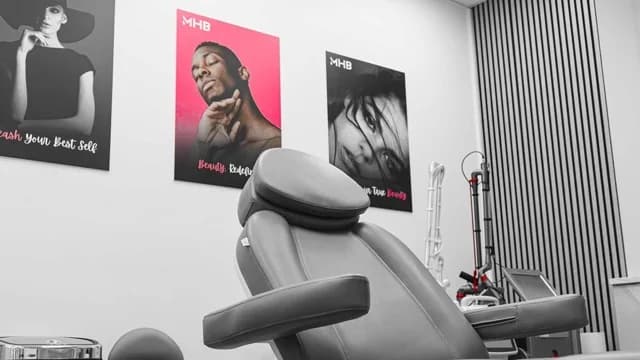
Restoring facial hair with your own follicles
Beard transplant: key details
- Price
- The cost is confirmed in your individual quote. Check current prices and booking options.
A beard transplant places donor follicles into selected facial areas, such as a patch in the beard, the cheek outline or part of the moustache. It is a surgical procedure rather than a topical thickening product. The aim and receiving area should be mapped carefully before a graft plan is agreed.
Hair taken from the scalp can behave differently from existing beard hair. Colour, thickness, curl and growth rate affect the match, while the angle of placement influences how the hair lies against the face. You should understand the likely need for trimming and ongoing grooming rather than assuming every transplanted hair will behave exactly like native facial hair.
Design should consider your preferred beard length as well as the shape when closely shaved. Creating an aggressive outline or placing too much density in a small area may be difficult to reverse. Photographs can help explain your preferences, but another person's beard is not a guarantee of what your donor supply and skin can achieve.
At MHB's Mayfair clinic, discuss whether a lifelong patch, recent hair loss or an old scar is behind the concern. A recent change needs assessment of its cause first. Work involving a scar requires specific examination and cannot be promised from a description alone.
Concerns to discuss
- Patchy beard growth
- Cheek or jawline outline
- Moustache gaps
- Donor and facial-hair match
- Shaving and grooming after surgery
What can beard transplant help with?
A consultation helps establish the changes that may be achievable and whether treatment is appropriate for you.
Focus on selected gaps
A targeted plan may improve continuity in a suitable area without redesigning the whole beard. Agree which parts matter most and what level of coverage is realistic.
Consider natural direction
Beard hairs change direction across the cheek, chin and neck. Planning those transitions matters for how the hair sits when you grow, trim or shave it.
Keep donor choices visible
Facial restoration uses the same limited donor supply that may be needed for future scalp work. Discuss this trade-off before committing grafts to beard density.
Treatment response and duration vary. Your practitioner should explain realistic expectations and alternatives before you decide.
Explore suitability & risksIs this treatment right for you?
Suitable patients need adequate donor hair, healthy facial skin and a stable reason for the reduced beard coverage. Active acne, infection, inflammatory hair loss or unexplained new patches should be investigated before surgery is planned.
Discuss previous facial surgery, scars, pigment treatments, medicines and any history of raised or keloid scars. A patchy beard caused by a medical condition may require a different pathway from naturally sparse facial hair.
Expectations should include donor-hair texture, possible visible irregularities and the effort of grooming. Ask the surgeon about facial-hair experience and how design, placement and follow-up will be adapted to your particular skin and hair.
Discuss your suitabilityPossible risks & limitations
Surgery can cause bleeding, infection, swelling, discomfort, altered sensation and an adverse reaction to local anaesthetic. FUE leaves small donor scars; no hair transplant is scar-free.
Grafts may grow poorly or unevenly. Temporary shedding can affect transplanted and nearby existing hair, and some loss may persist. Unnatural direction, uneven texture, visible scarring and donor depletion can require further assessment.
Contact the treating team promptly for increasing pain, spreading redness, discharge, fever or unexpected bleeding. Severe symptoms or a serious allergic reaction need urgent medical attention rather than waiting for a routine review.
Facial transplantation can produce hairs that stand away from the skin, uneven direction, folliculitis, small bumps or an unsatisfactory outline. Skin texture changes may remain visible when clean-shaven.
Plan your aftercareYour consultation at MHB.
Personal advice, clear information and a plan that starts with your concerns.
A conversation about you
Discuss your concerns, medical history and the changes you hope to achieve before deciding on treatment.
Clarity before you decide
Understand the proposed approach, who will treat you, the full cost, possible risks and your aftercare.
Face-to-face care in Mayfair
Visit MHB Aesthetic at 205 Regent Street, near Oxford Circus, and know who to contact after your appointment.
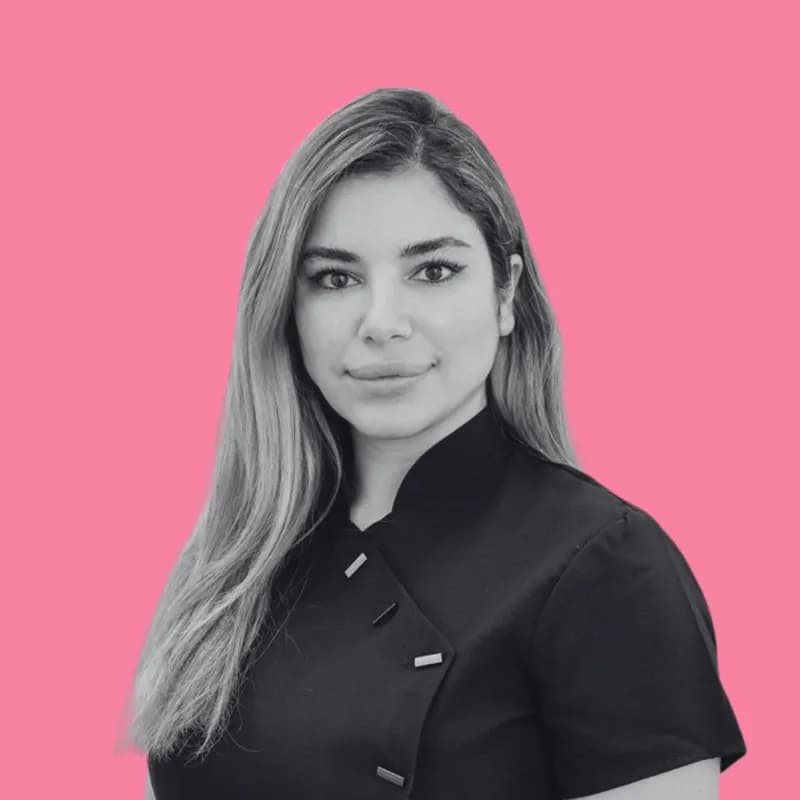
Isabel
Consultant
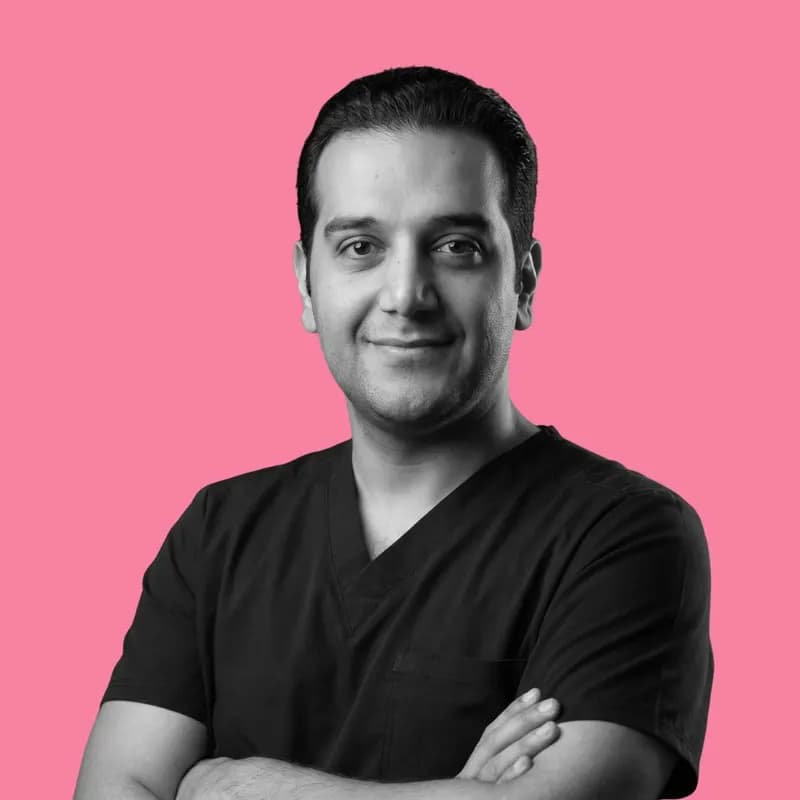
Martin
Certified Hair and Skin Therapist
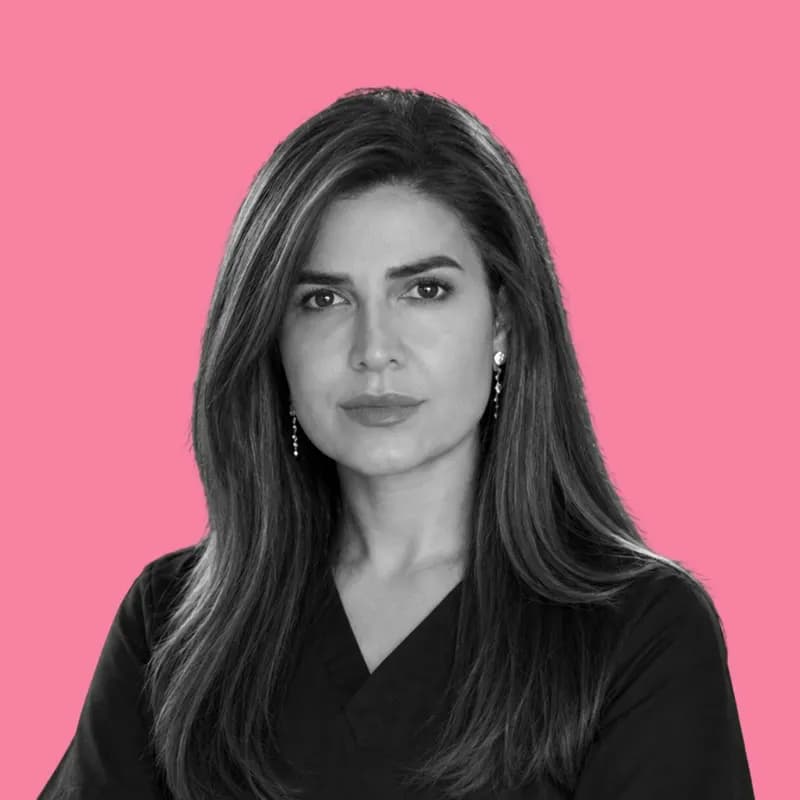
Dr. Nareen Dezayie
Hair Transplant Surgeon
Meet the people behind your care
At your consultation, confirm who will carry out your treatment, their qualifications and experience, and who will support your aftercare.
Meet the MHB teamTreatment, step by step.
From your first conversation to review, understand your options before deciding.
Assess the cause and donor supply
Discuss your history, examine the receiving area and donor scalp, and decide whether transplantation is appropriate before agreeing a surgical plan.
Agree the design and preparation
Review the proposed shape, graft allocation, likely limitations, quote and recovery arrangements. Follow the surgeon's instructions about medicines and preparation.
Prepare and collect the grafts
The agreed donor area is prepared and local anaesthetic is used. Suitable follicular units are extracted individually with FUE and handled for implantation.
Place grafts in the planned area
Placement considers the direction and angle of existing hair as well as coverage. The surgeon explains which members of the clinical team perform each stage.
Protect, recover and review
Leave with written washing, activity and contact instructions. Early healing and later growth need separate reviews; the first appearance is not the final outcome.
Beard transplant recovery & aftercare.
Recovery depends on your treatment, the area and your individual response. Follow the specific written instructions provided by your practitioner.
Discuss your care planFor urgent treatment or aftercare concerns, contact the MHB team.
0755 447 7034Protect new grafts
Follow the surgeon's written instructions for sleeping, washing, headwear and touching the area. Avoid rubbing or picking crusts. Advice depends on where the grafts were placed and should take priority over a generic online timetable.
Plan work and exercise
Arrange time for visible redness, swelling and donor healing. Ask when you can return to work, strenuous activity, swimming and sun exposure. Do not stop prescribed medication or start a new scalp treatment without agreement.
Separate healing from growth
Early hair shedding does not by itself mean that grafts have failed. Hair growth develops over months and requires follow-up. Report unusual symptoms promptly and attend the review dates agreed for your particular procedure.
Care, in our patients’ words.
Selected five-star Google review excerpts about care at our clinic, rather than outcomes for this specific treatment.
“The staff were so professional yet genuinely caring, and they explained everything clearly which really put me at ease.”
“They genuinely listened to my concerns and needs, ensuring that I felt cared for throughout the entire process.”
“They always answer all my questions with patience and professionalism.”
Individual experiences and results vary. Read the full reviews on Google.
Beard transplant prices in London.
Your quote should identify the treatment area, proposed approach, review arrangements and aftercare. Discuss the full cost before deciding.
Ask about your treatment planFree initial consultation
Discuss your concerns and available options.
Beard transplant
View current pricing and available appointments through MHB’s booking page.
View pricesPrices may change. For the latest prices and availability, please check our online booking page.
Plan your consultation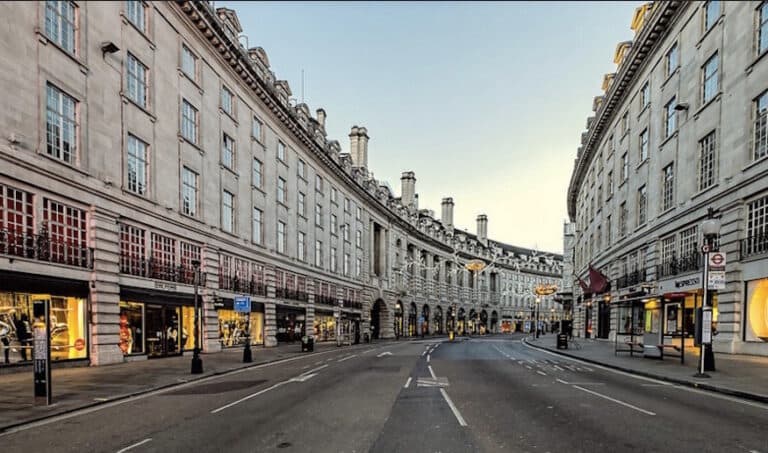
Visit MHB in Mayfair.
Visit our Regent Street clinic for a face-to-face consultation, just three minutes’ walk from Oxford Circus station.
MHB Aesthetic Clinic205 Regent Street
London W1B 4HBContact & visiting information
Beard transplant: your questions.
Straightforward answers. And if you’d like to know more, we’re always happy to talk.
Ask us a questionWhere does the hair for a beard transplant come from?
Suitable follicles are usually selected from the scalp donor area after assessment. The surgeon considers their thickness, colour and curl relative to your facial hair, as well as the amount that can be removed without overharvesting.
Will transplanted scalp hair behave like beard hair?
It may retain characteristics of the donor hair and need regular trimming. Your consultation should cover texture, growth rate and grooming, so you can judge the practical result as well as the planned outline.
Can I choose a completely new beard shape?
You can discuss your preference, but the design must account for facial proportions, existing hair, skin and donor limits. A conservative, agreed outline is important because changing an implanted design later may be difficult.
When can I shave after a beard transplant?
Wait for your surgeon's specific instructions. Shaving too early can irritate healing skin or disturb grafts. Electric and blade shaving may have different restrictions, and the receiving and donor areas need separate advice.
Can a beard transplant fill a scar?
Some healed scars may be considered, but blood supply, thickness and the reason for the scar need examination. A scar cannot be assumed to accept grafts like unscarred skin, and further assessment or a different option may be recommended.
How is a beard transplant priced?
The quote depends on the agreed areas, graft requirement and procedure plan. Ask what follow-up and aftercare are included and whether the proposed density uses donor hair that you may later need for the scalp.
Treatment information
This page provides general information about beard transplant. Your consultation provides individual advice, including suitability, alternatives, risks and aftercare.
Page updated .
Book a free consultationStart with a conversation.
Whether you have a treatment in mind or a question to ask, we’re here to help you find your next step.
Book a free consultation