
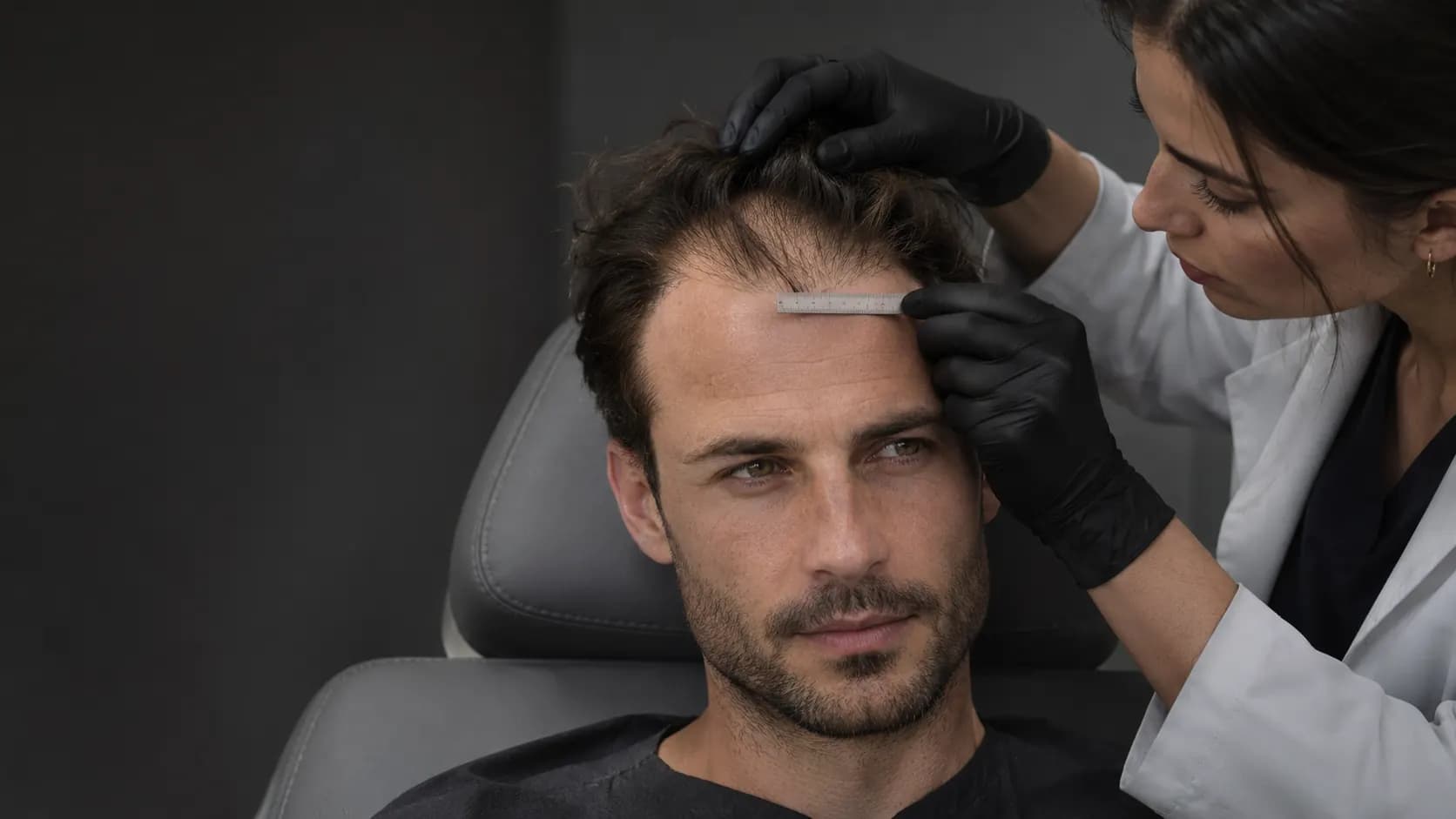
Hairline transplant in London.
The front of your hair frames the face, so the right plan is about shape and future change as well as density. Discuss a receding or uneven hairline at our Regent Street clinic before choosing a design.
- Free initial consultation
- Face-to-face advice in Mayfair
- A plan based on your needs
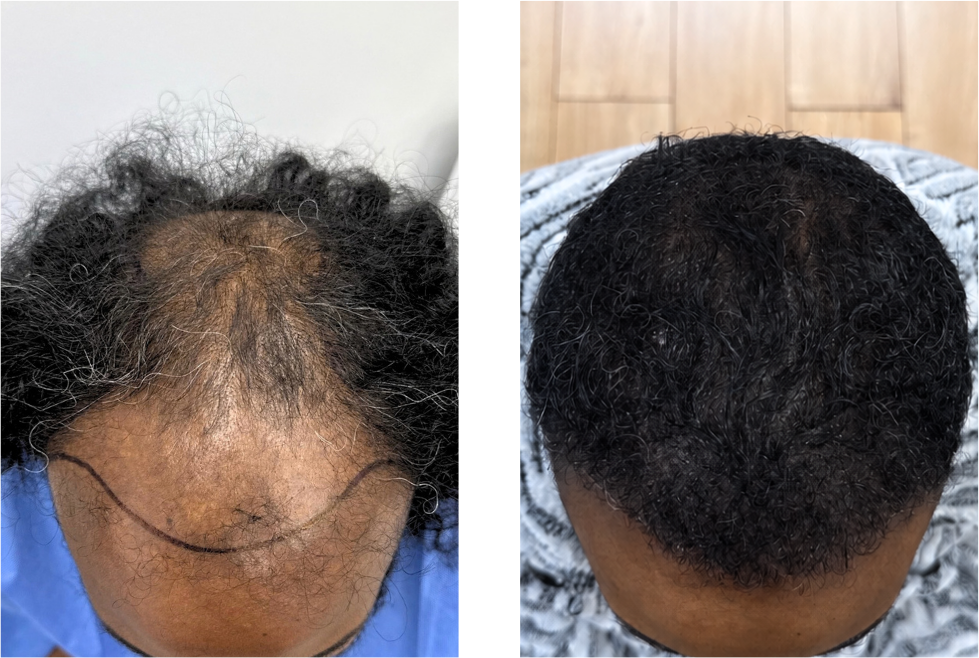
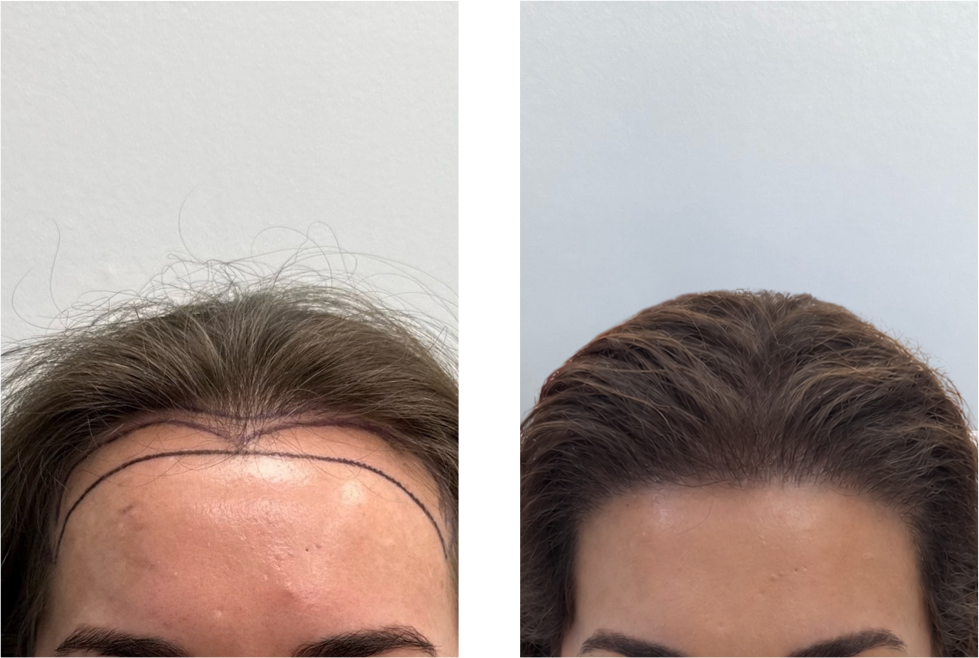
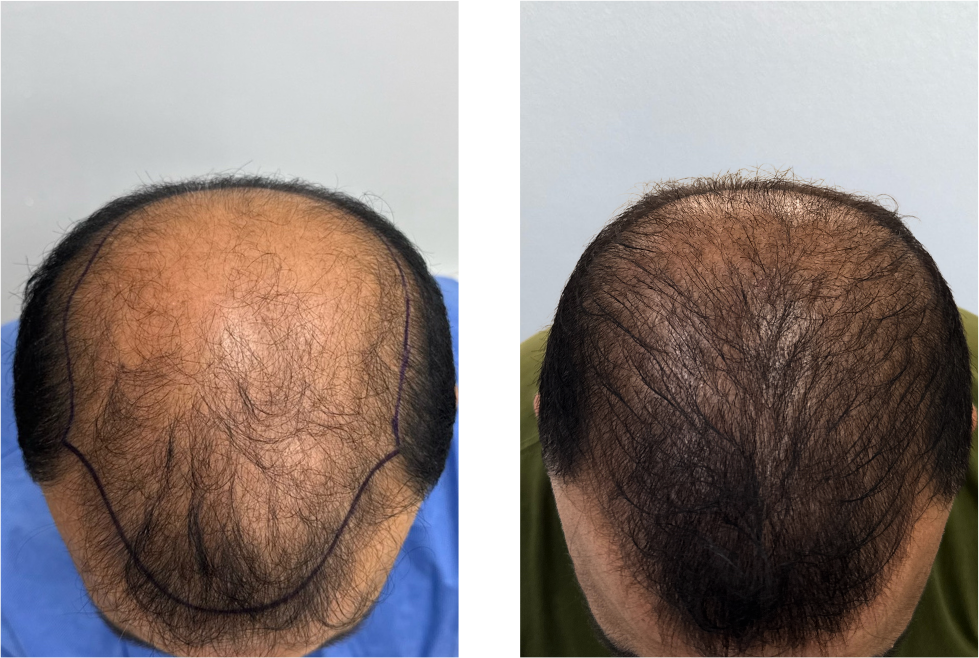
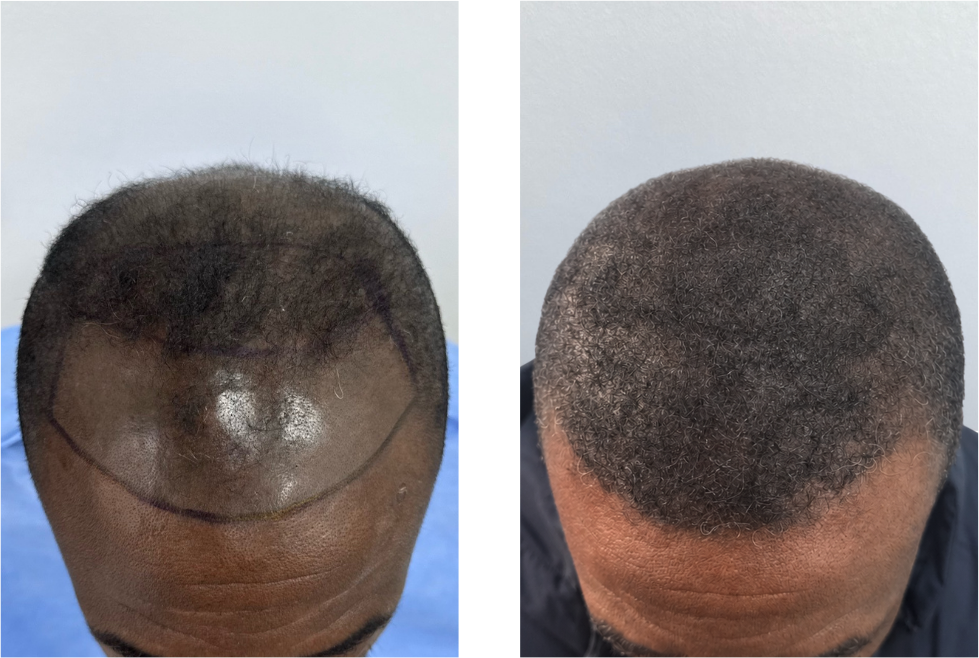
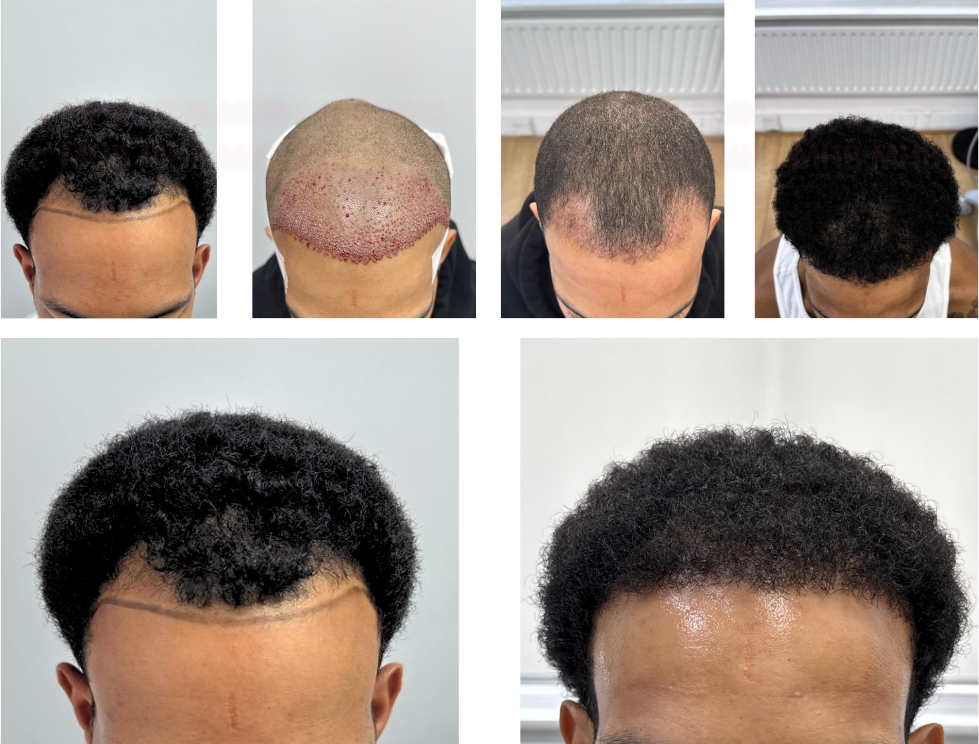
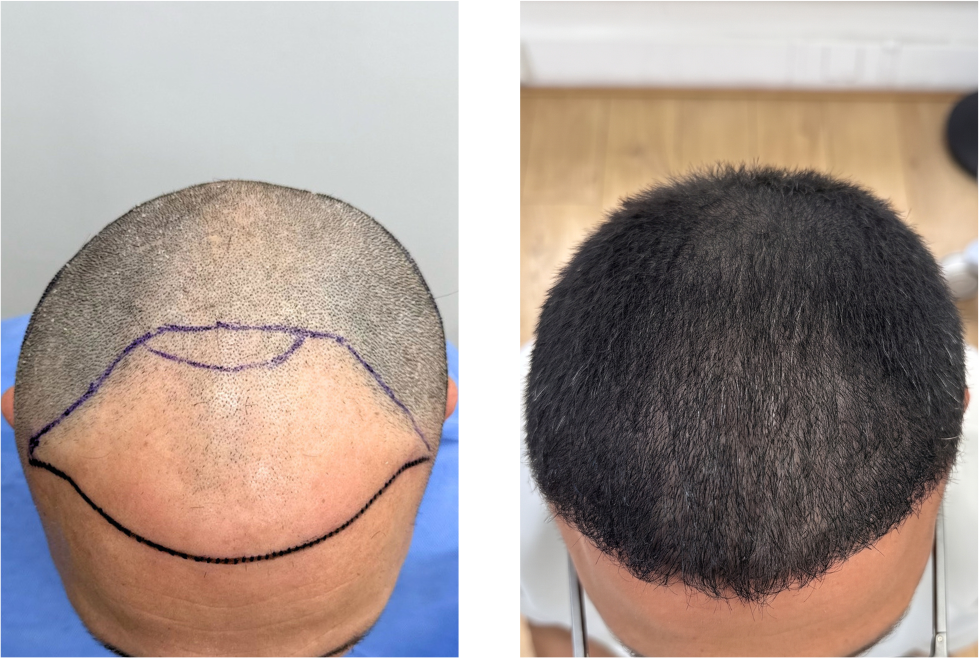
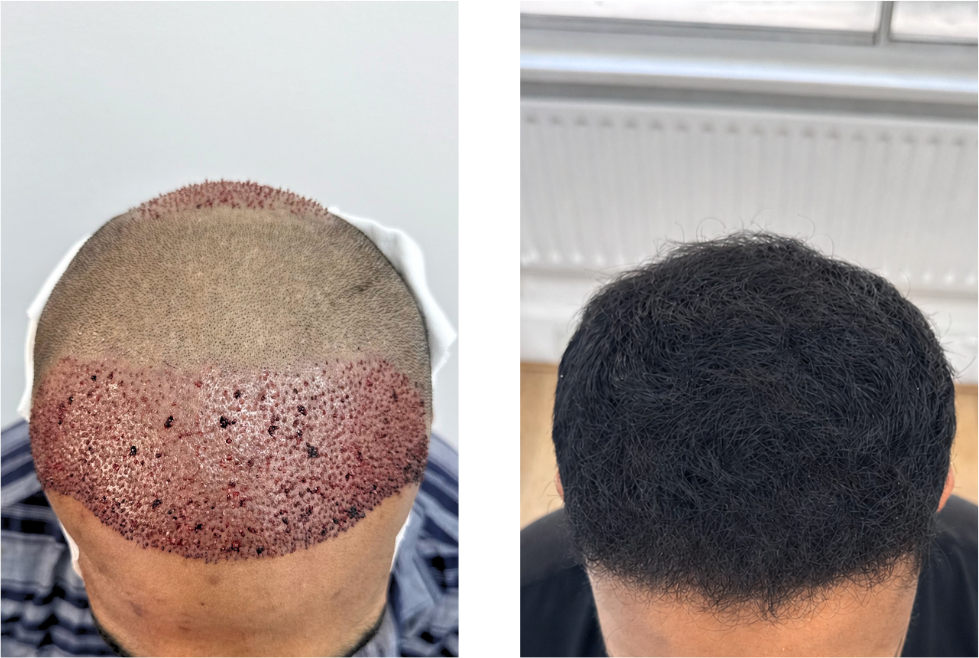
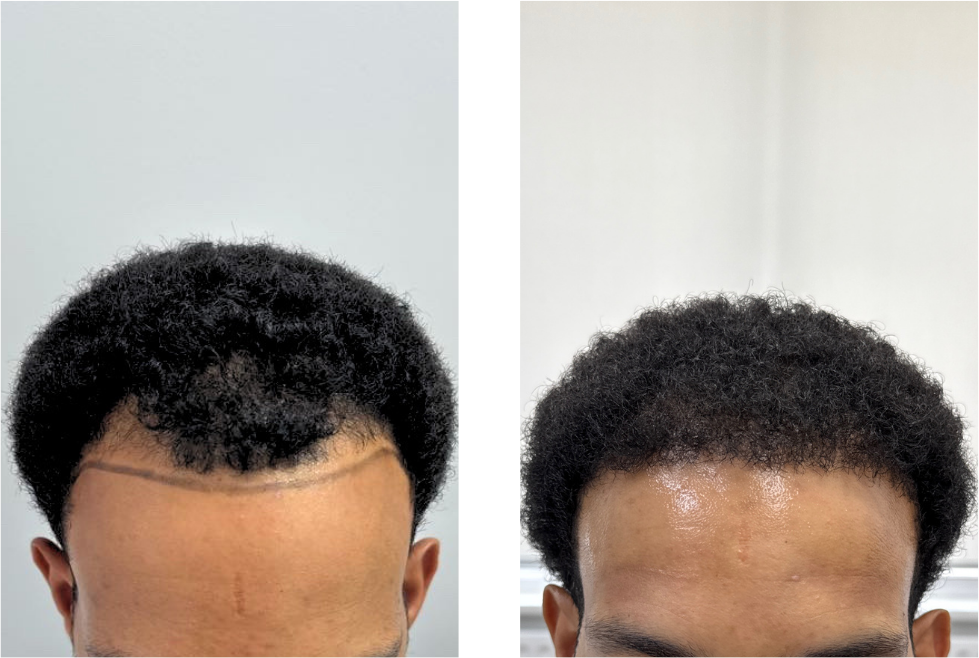
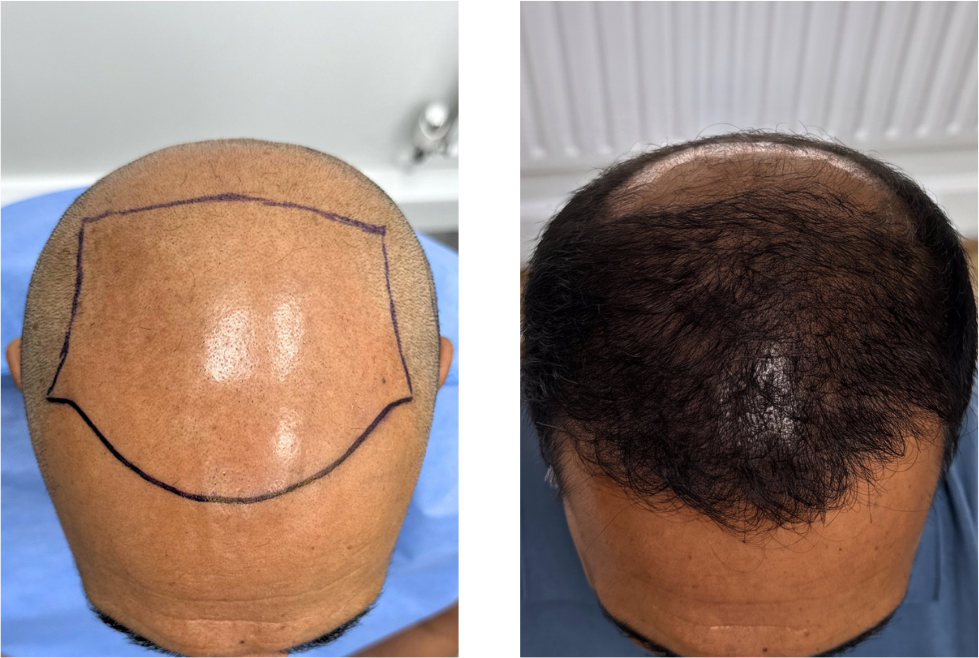
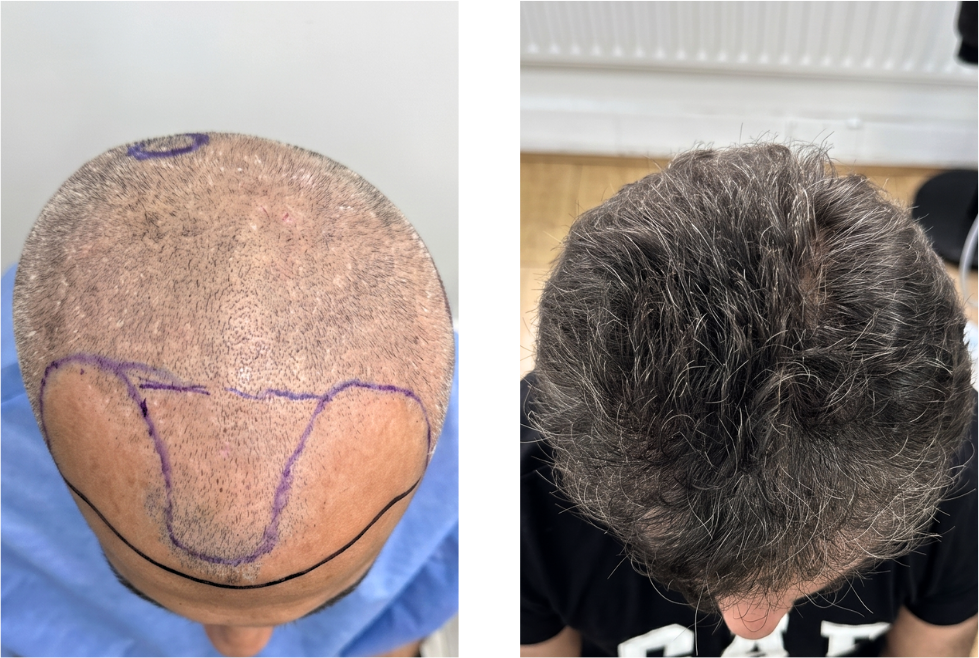
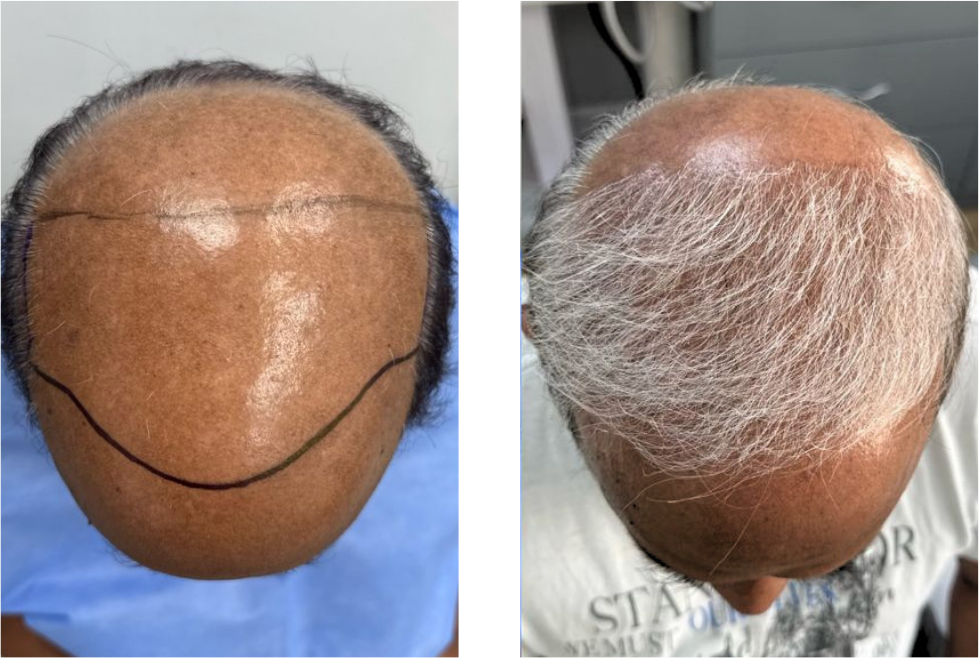
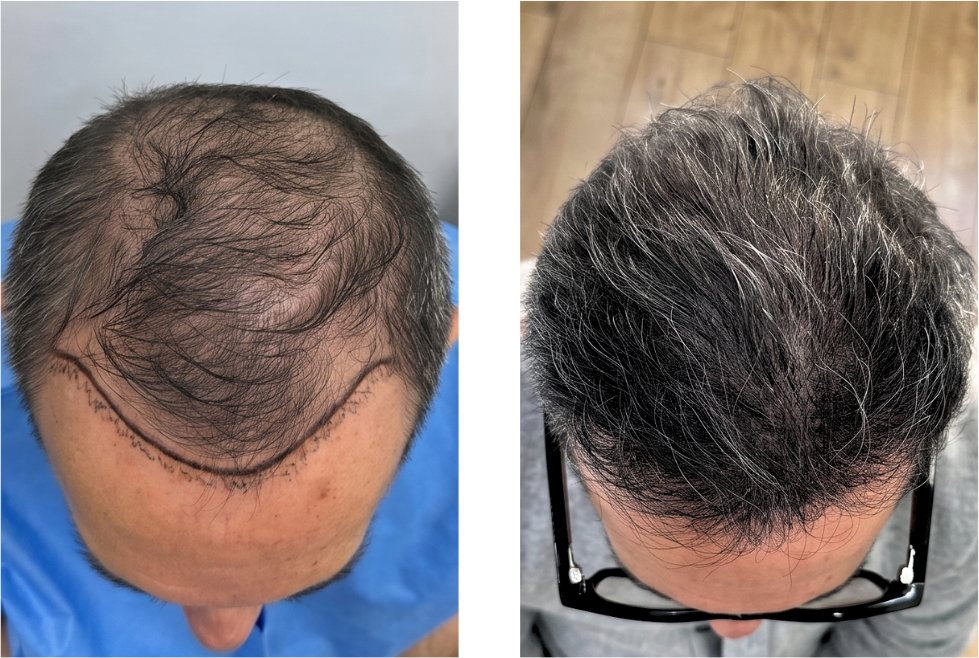
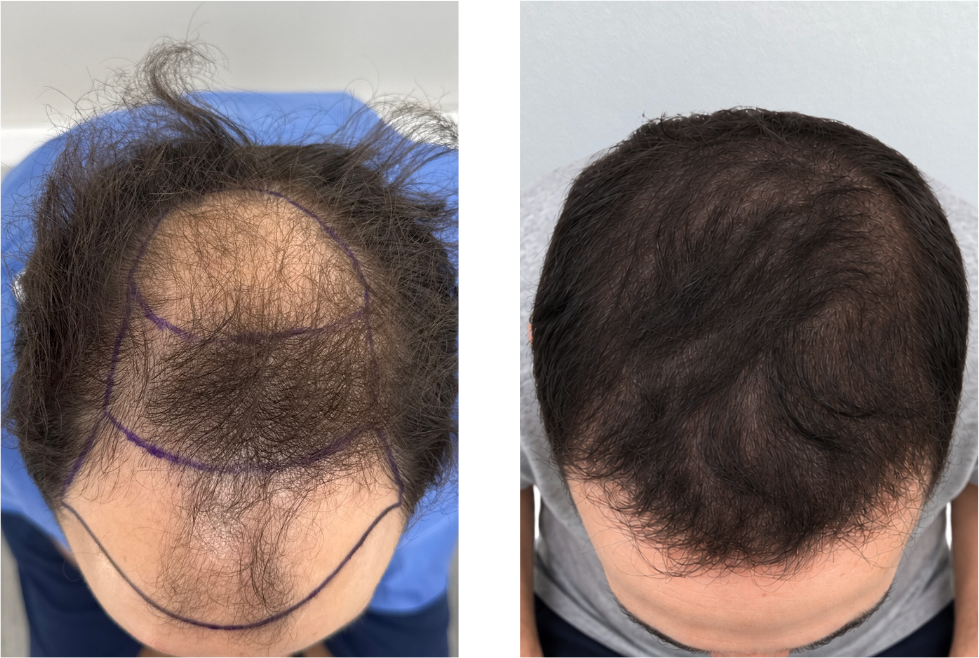
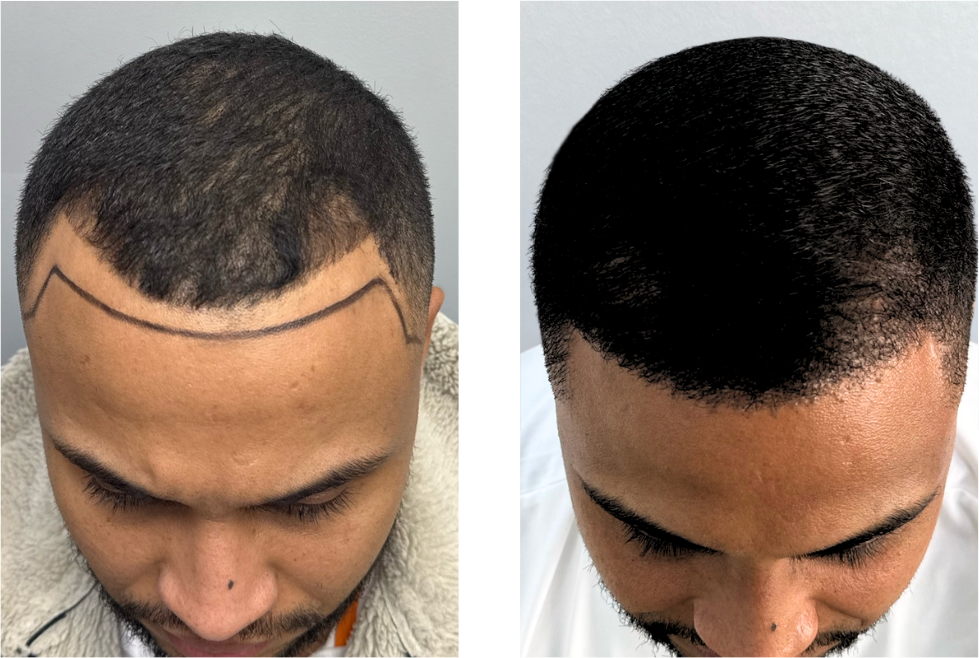
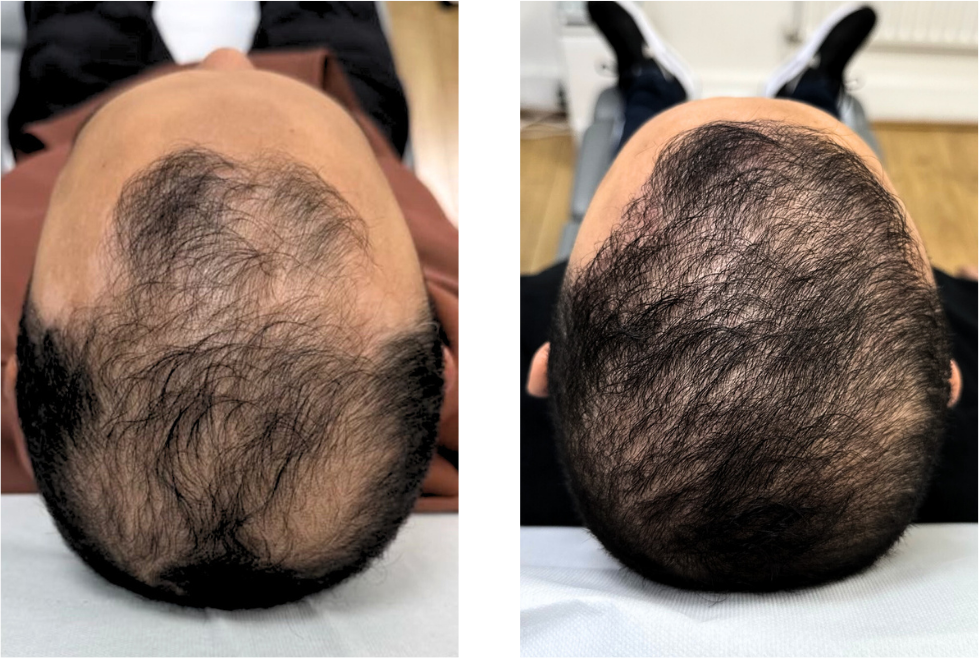
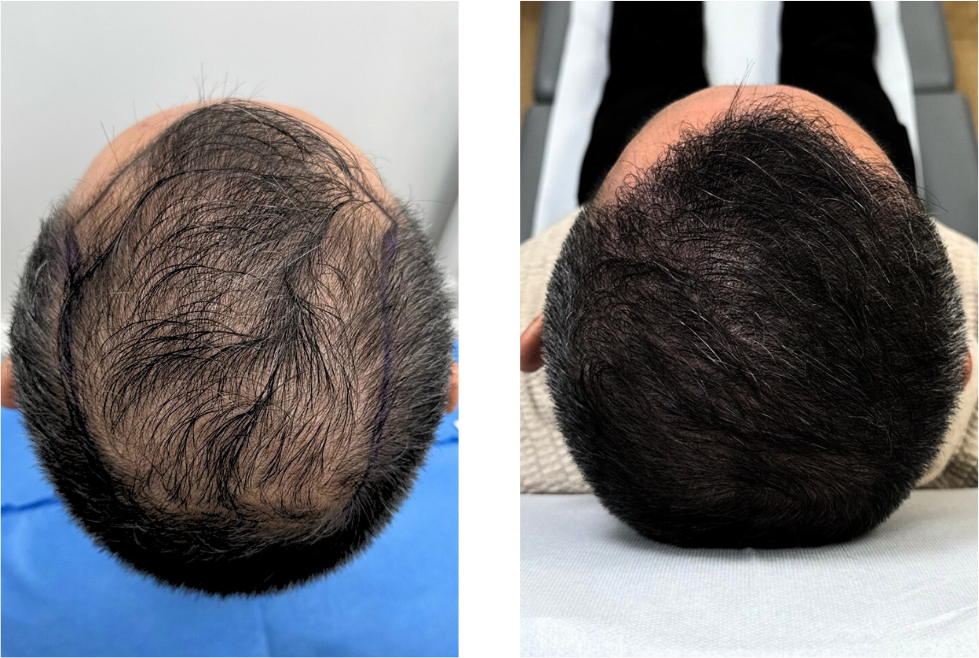
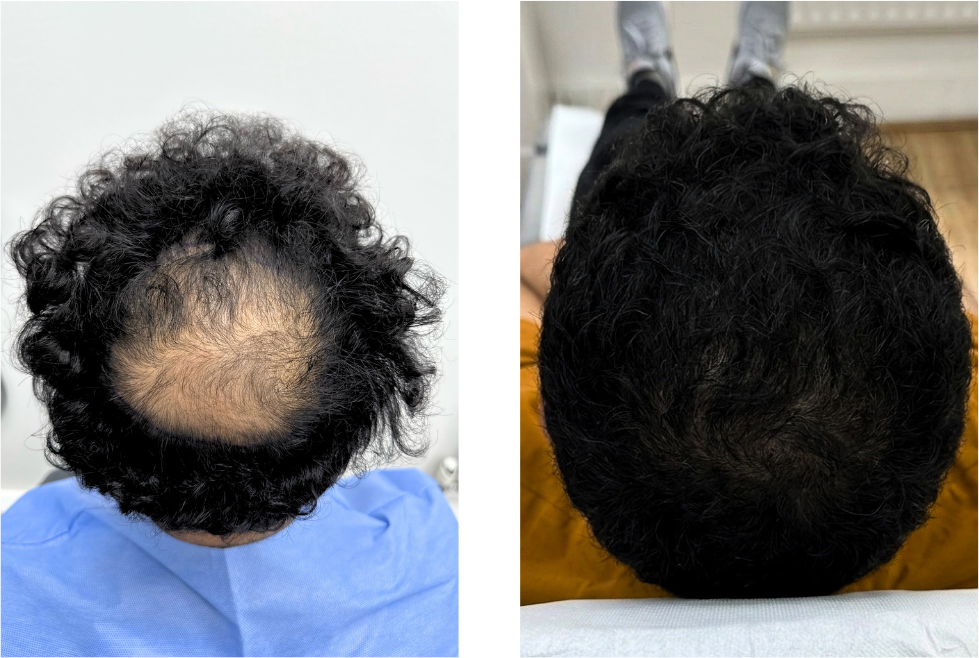
Hair transplant: patient progress.
Scalp hair transplant progress photographs from MHB Aesthetic. These cases illustrate scalp transplantation; suitability and expected outcomes for your treatment are assessed individually.
Individual results vary. Your assessment helps establish what may be achievable for you.
Discuss your options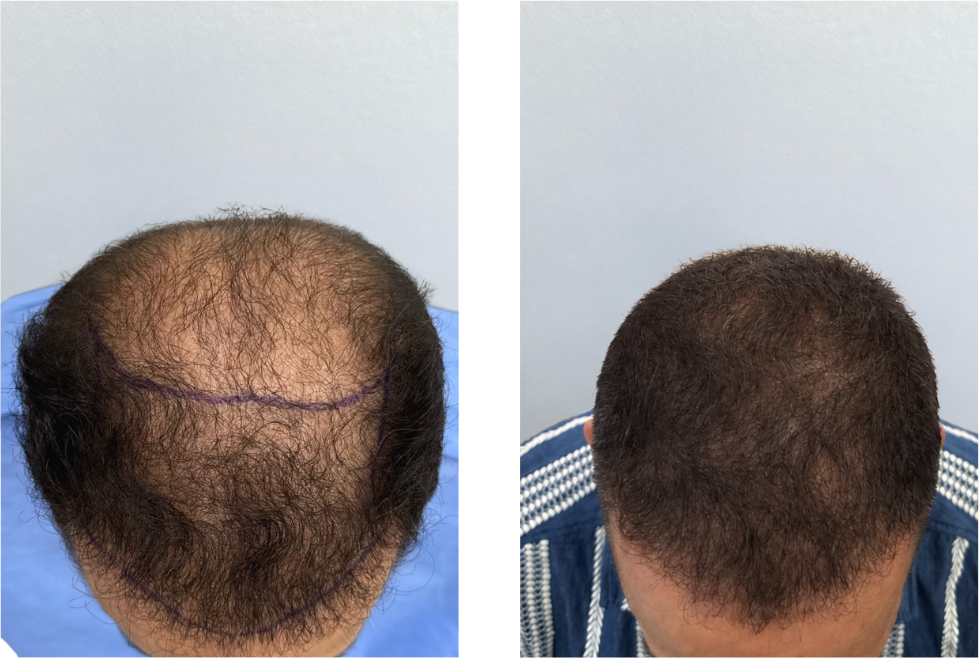
More than drawing a lower line
Hairline hair transplant: key details
- Price
- The cost is confirmed in your individual quote. Check current prices and booking options.
A hairline transplant concentrates donor grafts at the front of the scalp, sometimes including the transition towards the temples. It aims to improve the frame of the face where a suitable pattern of permanent loss has been identified. It does not change the size of the donor supply or prevent future thinning behind the transplanted edge.
The planned height, shape and softness of the edge matter. A very straight or low line can look different as the face ages or surrounding hair recedes. Single-hair graft selection, gradual changes in density and the angle of placement can all influence the appearance; none guarantees an undetectable result.
Temple recession and the central hairline should be considered together rather than treated as unrelated gaps. Facial proportions, hair characteristics and your preferred hairstyle help guide the conversation. Bring photographs that explain your goal, but expect the design to be adapted to your anatomy and long-term donor limits.
At MHB in Mayfair, your consultation should make the trade-offs clear. Using more grafts to lower the front can leave fewer for a future crown concern. A staged or more conservative plan may be preferable, especially when the pattern is still changing or the donor area is limited.
Concerns to discuss
- Receding frontal hairline
- Temple transitions
- Uneven frontal shape
- Age-appropriate design
- Future loss behind the hairline
- Donor allocation
What can hairline hair transplant help with?
A consultation helps establish the changes that may be achievable and whether treatment is appropriate for you.
Focus on the frame of the face
A defined frontal plan can concentrate suitable grafts where the change matters most to you. Shape and placement should be considered alongside the desired density.
Preserve options for later
A conservative design can help avoid spending a disproportionate share of donor hair on the lowest possible hairline. Discuss future crown and mid-scalp needs before surgery.
Agree a design you understand
Review the proposed line, temple transitions and limitations before the procedure. Ask how the appearance may change with different styling and continued native-hair loss.
Treatment response and duration vary. Your practitioner should explain realistic expectations and alternatives before you decide.
Explore suitability & risksIs this treatment right for you?
Stable patterned recession with adequate donor hair may be suitable. A changing hairline in a young person needs particular care because future loss can make an initially attractive design difficult to maintain.
The scalp should be assessed for inflammation, scars, previous grafts and other causes of frontal loss. Active scarring alopecia or unexplained symptoms can make a cosmetic surgical approach inappropriate until investigated.
Be prepared to discuss the height you want and the graft cost of that choice. A surgeon may recommend a higher or less dense design, observation or another pathway if the requested result is not sustainable.
Discuss your suitabilityPossible risks & limitations
Surgery can cause bleeding, infection, swelling, discomfort, altered sensation and an adverse reaction to local anaesthetic. FUE leaves small donor scars; no hair transplant is scar-free.
Grafts may grow poorly or unevenly. Temporary shedding can affect transplanted and nearby existing hair, and some loss may persist. Unnatural direction, uneven texture, visible scarring and donor depletion can require further assessment.
Contact the treating team promptly for increasing pain, spreading redness, discharge, fever or unexpected bleeding. Severe symptoms or a serious allergic reaction need urgent medical attention rather than waiting for a routine review.
Plan your aftercareYour consultation at MHB.
Personal advice, clear information and a plan that starts with your concerns.
A conversation about you
Discuss your concerns, medical history and the changes you hope to achieve before deciding on treatment.
Clarity before you decide
Understand the proposed approach, who will treat you, the full cost, possible risks and your aftercare.
Face-to-face care in Mayfair
Visit MHB Aesthetic at 205 Regent Street, near Oxford Circus, and know who to contact after your appointment.

Isabel
Consultant
Martin
Certified Hair and Skin Therapist

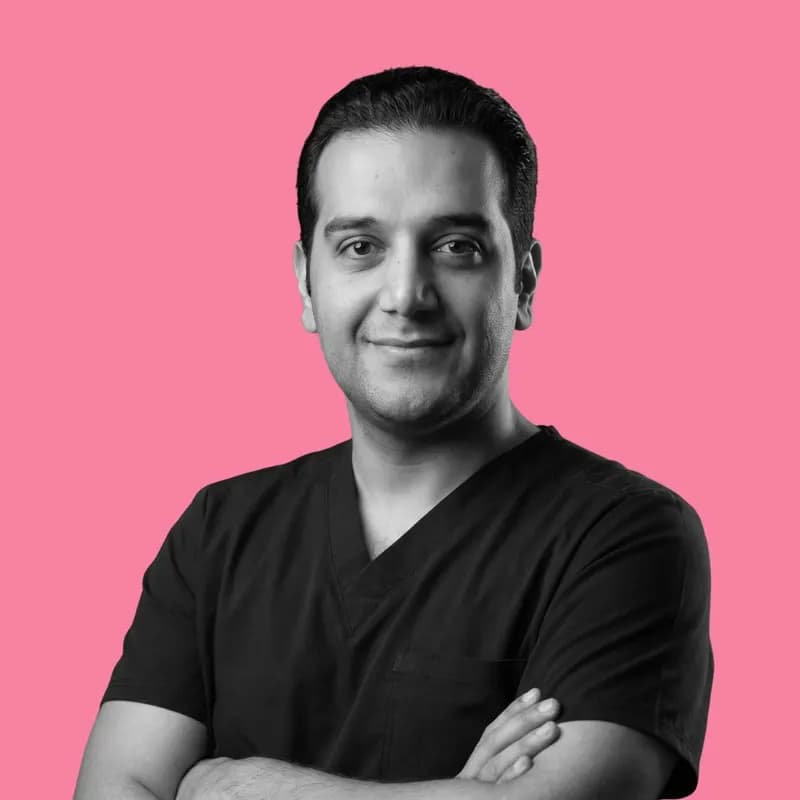
Dr. Nareen Dezayie
Hair Transplant Surgeon
Meet the people behind your care
At your consultation, confirm who will carry out your treatment, their qualifications and experience, and who will support your aftercare.
Meet the MHB teamTreatment, step by step.
From your first conversation to review, understand your options before deciding.
Assess the cause and donor supply
Discuss your history, examine the receiving area and donor scalp, and decide whether transplantation is appropriate before agreeing a surgical plan.
Agree the design and preparation
Review the proposed shape, graft allocation, likely limitations, quote and recovery arrangements. Follow the surgeon's instructions about medicines and preparation.
Prepare and collect the grafts
The agreed donor area is prepared and local anaesthetic is used. Suitable follicular units are extracted individually with FUE and handled for implantation.
Place grafts in the planned area
Placement considers the direction and angle of existing hair as well as coverage. The surgeon explains which members of the clinical team perform each stage.
Protect, recover and review
Leave with written washing, activity and contact instructions. Early healing and later growth need separate reviews; the first appearance is not the final outcome.
Hairline hair transplant recovery & aftercare.
Recovery depends on your treatment, the area and your individual response. Follow the specific written instructions provided by your practitioner.
Discuss your care planFor urgent treatment or aftercare concerns, contact the MHB team.
0755 447 7034Protect new grafts
Follow the surgeon's written instructions for sleeping, washing, headwear and touching the area. Avoid rubbing or picking crusts. Advice depends on where the grafts were placed and should take priority over a generic online timetable.
Plan work and exercise
Arrange time for visible redness, swelling and donor healing. Ask when you can return to work, strenuous activity, swimming and sun exposure. Do not stop prescribed medication or start a new scalp treatment without agreement.
Separate healing from growth
Early hair shedding does not by itself mean that grafts have failed. Hair growth develops over months and requires follow-up. Report unusual symptoms promptly and attend the review dates agreed for your particular procedure.
Care, in our patients’ words.
Selected five-star Google review excerpts about care at our clinic, rather than outcomes for this specific treatment.
“The staff were so professional yet genuinely caring, and they explained everything clearly which really put me at ease.”
“They genuinely listened to my concerns and needs, ensuring that I felt cared for throughout the entire process.”
“They always answer all my questions with patience and professionalism.”
Individual experiences and results vary. Read the full reviews on Google.
Hairline hair transplant prices in London.
Your quote should identify the treatment area, proposed approach, review arrangements and aftercare. Discuss the full cost before deciding.
Ask about your treatment planFree initial consultation
Discuss your concerns and available options.
Hairline hair transplant
View current pricing and available appointments through MHB’s booking page.
View pricesPrices may change. For the latest prices and availability, please check our online booking page.
Plan your consultation
Visit MHB in Mayfair.
Visit our Regent Street clinic for a face-to-face consultation, just three minutes’ walk from Oxford Circus station.
MHB Aesthetic Clinic205 Regent Street
London W1B 4HBContact & visiting information
Hairline hair transplant: your questions.
Straightforward answers. And if you’d like to know more, we’re always happy to talk.
Ask us a questionHow low can my new hairline be?
That depends on your facial proportions, age, pattern of loss and donor supply. Lowering a line increases the area to cover and can use more grafts. A sustainable design may differ from the lowest line you can draw on a photograph.
Can the temples be treated at the same time?
They can be assessed within the same plan, but temple hair direction and donor requirements need specific consideration. The surgeon should explain whether combining areas is appropriate and what it means for the total graft allocation.
Will a hairline transplant stop recession?
No. Existing hair can continue to thin behind and around the grafted area. Long-term planning should consider this risk and whether medical assessment or treatment is appropriate alongside surgery.
What makes a transplanted hairline look natural?
Hair selection, angle, direction, shape and a gradual change in density all matter. Healing and growth are individual, so these planning principles cannot guarantee a particular appearance or perfect symmetry.
Can I wear a fringe while the area heals?
Ask the surgeon how to protect the receiving sites and what styling products or contact to avoid. Donor and front-of-scalp preparation may affect what can be covered safely in the early recovery period.
Is hairline work cheaper than a full transplant?
The quote reflects the actual area, graft plan and complexity rather than a label. A low hairline can require substantial donor hair. Request a written plan showing the intended shape, inclusions and follow-up.
Treatment information
This page provides general information about hairline hair transplant. Your consultation provides individual advice, including suitability, alternatives, risks and aftercare.
Page updated .
Book a free consultationStart with a conversation.
Whether you have a treatment in mind or a question to ask, we’re here to help you find your next step.
Book a free consultation