

Hair Growth Injections: Safety, Side Effects & Risks
Learn about scalp injection risks, suitability checks, recovery and symptoms that need attention before considering PRP or other hair treatments.
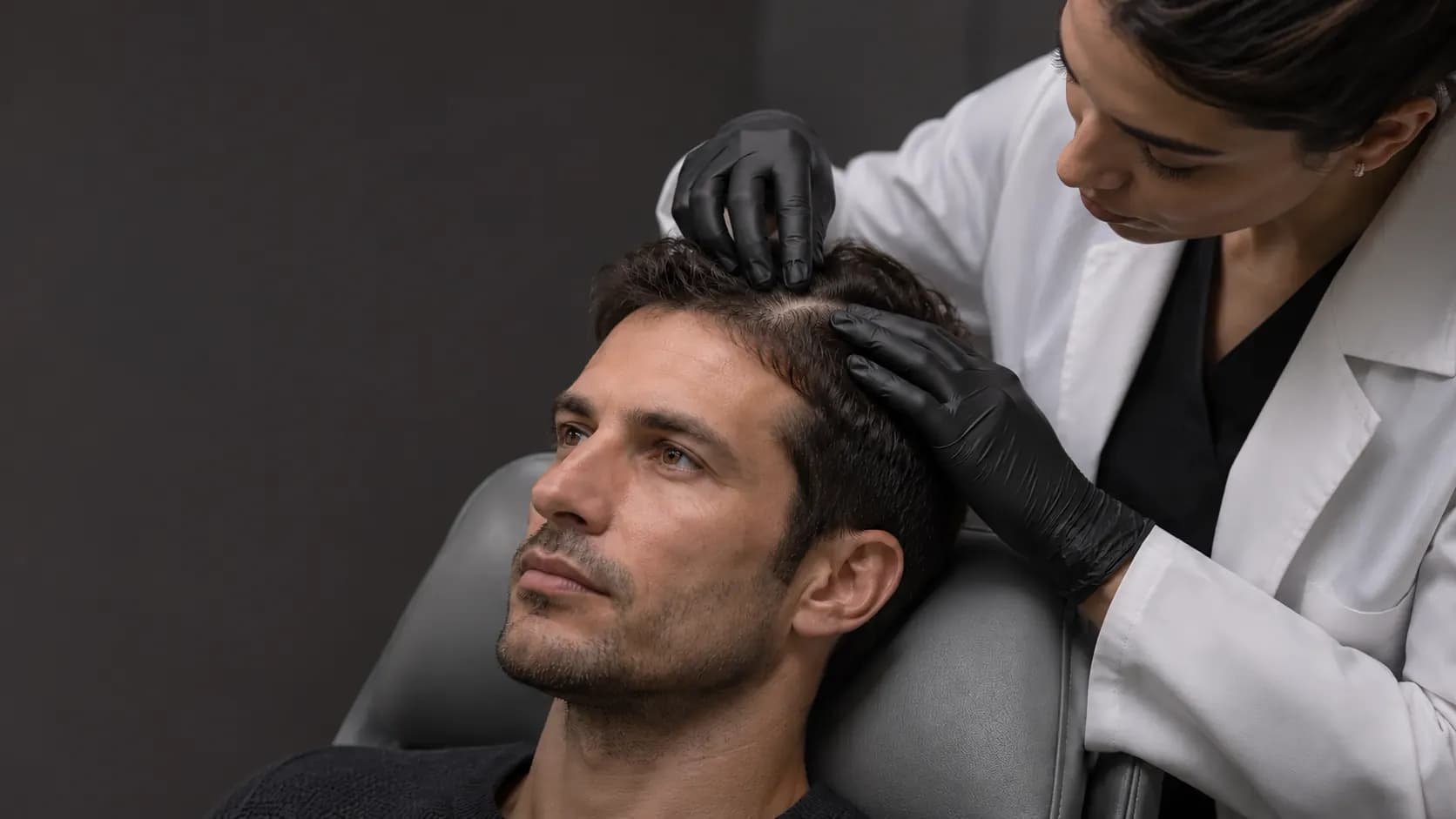
The safety of hair growth injections depends on the diagnosis, the substance being injected, your medical history and how treatment is performed. PRP and other scalp injections can cause side effects and complications. No product, technique or practitioner can guarantee a risk-free outcome.
Start by identifying the treatment
Ask for the exact name of the procedure and what will be injected. PRP is prepared from your blood; mesotherapy products have their own ingredients. Different preparations should not be described as equivalent merely because they are delivered through scalp injections.
Your practitioner should explain the proposed benefit for your type of hair loss, the limits of the evidence and reasonable alternatives. A promise of guaranteed regrowth or no side effects is not a substitute for assessment.
Common reactions after scalp injections
Temporary tenderness, pinprick bleeding, bruising, redness or swelling can occur. The degree and duration vary with your skin, the treatment and other individual factors. Discomfort is not determined only by practitioner skill.
Before leaving, ask which reactions are expected, how they should change over time and who to contact if they do not settle. Do not assume that every symptom is normal because the procedure is described as minimally invasive.
Less common complications
Infection, persistent inflammation, scarring and reactions to products or materials are possible. PRP uses your own blood, but collection, preparation, injection, numbing agents and other materials still require care. Other injectable products can have ingredient-specific risks, including allergic reactions.
Good hygiene, appropriate equipment, training and patient selection reduce avoidable risk. Complications can still occur even when these precautions are taken. Ask how the clinic recognises and manages them.
Medical history and medicines to discuss
- Blood or platelet disorders, unusual bleeding, easy bruising or relevant test results.
- Active scalp infection, inflammation, open skin or previous scarring.
- Allergies, previous injection reactions and sensitivity to anaesthetic or antiseptic products.
- Medicines or treatments affecting bleeding, immunity or healing, including prescribed anticoagulants.
- Pregnancy, breastfeeding and any ongoing medical care that may affect suitability.
These factors need individual assessment rather than a generic yes-or-no checklist. Do not stop or change a prescribed medicine before treatment unless the clinician responsible for it advises you to do so.
When hair loss needs investigation first
A cosmetic injection is not a diagnosis. Rapid, patchy, painful or inflamed hair loss, or shedding associated with illness or a new medicine, may need medical investigation before treatment. Finding the cause can change the options and avoid spending money on an unsuitable course.
If you are receiving cancer treatment or other specialist care, discuss hair-loss management with that team before booking scalp injections. A routine cosmetic pathway should not replace their guidance.
Aftercare that matches your procedure
Follow the written instructions supplied by the treating clinic. Ask about washing, scalp products, hats, exercise, heat and other treatments. Avoid experimenting with strong products or trying to treat a suspected complication yourself.
Take the clinic's aftercare contact details home with you. Photographs can help a clinician assess a concern if requested, but they should not delay seeking care when you feel unwell or symptoms are escalating.
Symptoms that need prompt help
Contact your treating clinic promptly for worsening pain, spreading redness, discharge, fever or swelling that concerns you. Breathing difficulty or swelling of the tongue or throat requires emergency medical help. Do not wait for the next scheduled appointment.
Persistent changes should be examined. A cream cannot be assumed to correct scarring or an unknown reaction, and online advice cannot establish its cause.
How to choose a practitioner and plan
Ask about the person's training, experience with the exact treatment and arrangements for managing complications. Understand the proposed product, how the decision was made, what review is included and the full cost.
A short course or a promotional photograph does not establish suitability for you. Take time to decide and ask what happens if the assessment recommends no treatment.
Is an injection safer than a hair transplant?
They are different procedures with different purposes and risks. A transplant moves follicles surgically; scalp injections do not. A simple claim that one is always safer or better ignores the individual's diagnosis and treatment plan.
The useful comparison is which, if any, option has a reasonable balance of benefit, risk, recovery and cost for your circumstances.
Discuss your options in Mayfair.
Meet the team at 205 Regent Street, London. Talk through suitability, realistic expectations, recovery and your personalised treatment plan.
Explore hair treatmentsView current prices & bookSources & further reading
- NHS: hair loss and treatment options
- American Academy of Dermatology: hair loss diagnosis and treatment
First published . Updated .