
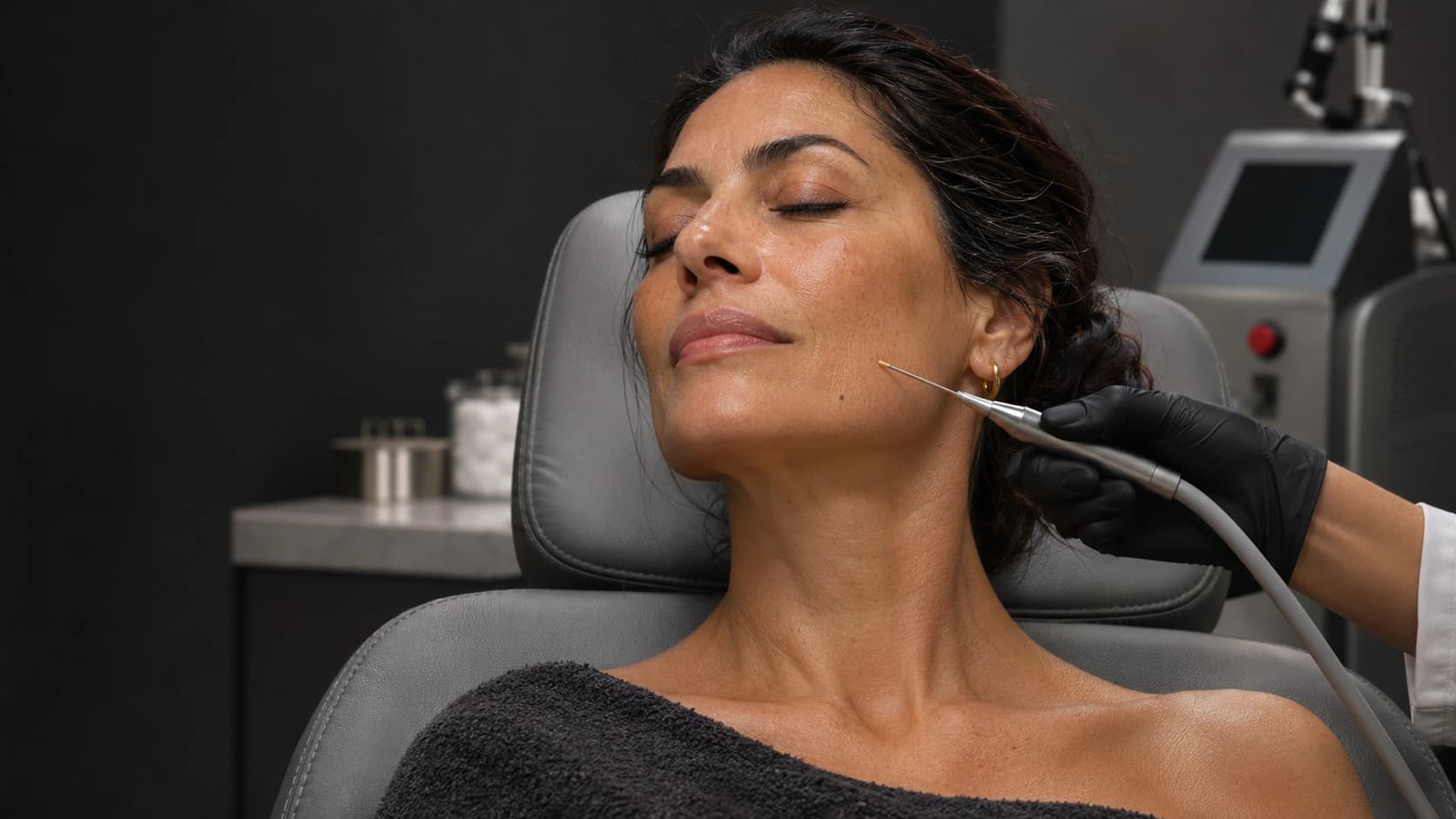
Co2 Laser for Acne Scars: How Many Sessions?
Learn why Co2 laser sessions for acne scars vary with scar type, skin tone, treatment intensity and healing. Plan realistic treatment and recovery.
How many Co2 laser sessions for acne scars?
There is no single number of Co2 laser sessions that suits every acne scar. The proposed course depends on scar type and depth, treatment settings, skin tone, active acne and how the skin heals. Agree on a review point before committing to further sessions.
Fractional Co2 laser resurfacing can improve texture and soften certain depressed acne scars, particularly rolling and boxcar scars. However, deeper narrow scars may respond less predictably to laser treatment alone and can require a combined approach. A qualified clinician should assess your skin before recommending an acne scar laser treatment course.
Why the number of sessions varies
Co2 laser treatment works by creating carefully controlled microscopic treatment zones in the skin. This stimulates wound healing and collagen remodelling while leaving areas of surrounding skin intact to support recovery. The degree of improvement and the number of sessions needed are influenced by several individual factors.
Scar type and depth
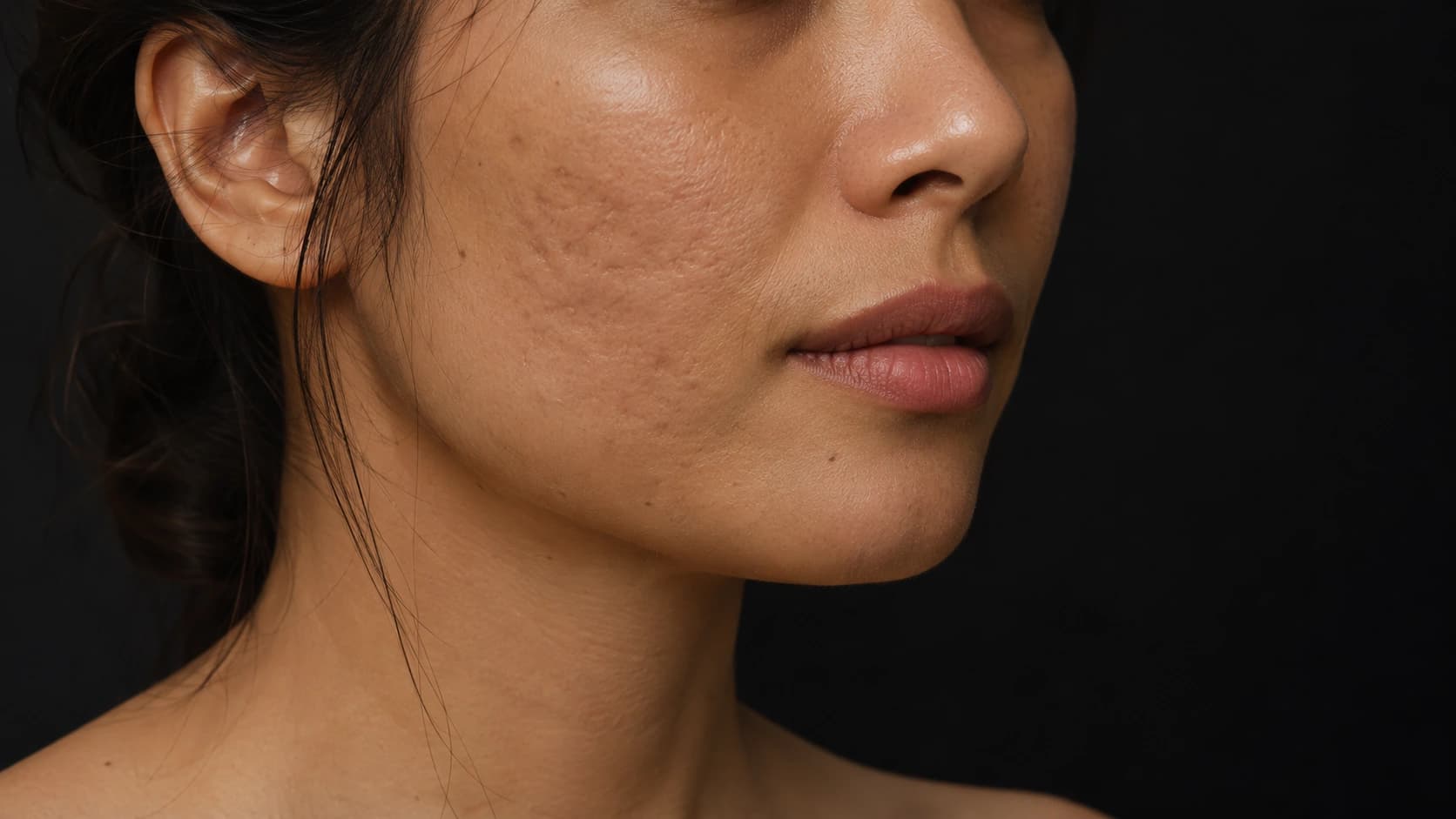
Acne scars are not all alike. It is common to have more than one scar type, even within a small area of the face.
- Rolling scars create a gentle wave-like texture and may respond well when laser resurfacing is combined with treatments that release tethering beneath the skin.
- Boxcar scars are broader depressions with clearer edges. Shallow boxcar scars may improve with resurfacing, while deeper scars can need additional techniques.
- Ice-pick scars are narrow and deep. They are often less responsive to Co2 resurfacing alone and may require a targeted treatment plan.
- Raised scars, including hypertrophic or keloid-prone scars, need careful assessment because ablative laser treatment may not be appropriate.
How intensive each treatment is
A clinician can adjust Co2 laser settings, including the depth and density of treatment. A more intensive session may mean a longer healing period and is not automatically the right option for every person. A more cautious approach may be recommended where there is a higher risk of prolonged redness, pigment change or delayed healing.
Because treatment intensity and recovery must be balanced, someone having gentler sessions may need a different number of treatments from someone whose skin is suitable for a more intensive approach.
Your skin tone and tendency to pigment change
All skin tones can develop acne scars, but the risk of post-inflammatory hyperpigmentation can be higher in some skin types. This does not necessarily rule out Co2 laser treatment, but it makes careful selection, conservative settings and diligent aftercare especially important. A consultation should include discussion of your history of pigmentation changes, scarring and previous laser treatments.
Healing response and realistic treatment goals
Skin healing differs between individuals. After a first session, the clinician can review how your skin has recovered and whether the expected improvement justifies another treatment. The aim is usually visible improvement in texture and scar appearance, rather than complete removal of every scar.
What a Co2 laser acne scar treatment plan may include
A thoughtful Co2 laser acne scar treatment plan begins with diagnosis rather than simply booking a set number of sessions. Your clinician should examine the scar patterns, check for active inflammation, discuss previous treatments and ask about medical history, medications and your tendency to scar or develop pigmentation.
Depending on the assessment, a plan may involve:
- fractional Co2 laser resurfacing for selected areas of textural scarring;
- treatment of active acne first, where appropriate, before addressing scarring;
- different scar-specific procedures for tethered, narrow or very deep scars;
- a period of review after each laser treatment before deciding whether to continue;
- ongoing sun protection and a tailored skincare routine during recovery.
It is important to disclose all medicines and skin products you use. Some medicines, including certain acne treatments, may affect whether laser treatment is appropriate or when it can safely be performed.
Co2 laser sessions before and after: what to expect
“Before and after” images can be helpful for understanding the type of changes Co2 laser resurfacing may achieve, but they should be interpreted carefully. Lighting, skin position, image timing, make-up and the combination of treatments used can all affect how results look.
Before treatment, a responsible consultation should cover:
- the scar types that are likely to respond and those that may not;
- whether active acne needs controlling first;
- the treatment area and likely intensity of resurfacing;
- the expected healing process and aftercare requirements;
- alternatives or combination treatments where laser alone is unlikely to address the main cause of the scarring.
Immediately after treatment, the skin may feel hot, look red and become swollen. Oozing, crusting, dryness and flaking can occur during the initial healing phase. Redness can persist beyond the surface healing period for some people. Changes in collagen remodel gradually, so the full effect of a session should not be judged immediately.
Any photographs used by a clinic should be genuine, relevant to the treatment performed and not presented as a promise that you will achieve the same outcome.
Recovery and aftercare between sessions
Co2 laser resurfacing has meaningful downtime. You may need to plan time away from work, social events, exercise and sun exposure while the skin heals. The exact recovery period varies with the treatment settings, area treated and your individual healing response.
Aftercare instructions often focus on protecting the healing skin and reducing infection or irritation risk. Your clinician may advise you to:
- use only the post-treatment products recommended for you;
- avoid picking, rubbing or removing crusts;
- avoid heat, swimming and strenuous activity until advised otherwise;
- avoid direct sun exposure and use appropriate broad-spectrum sun protection once your clinician says it is suitable;
- contact the clinic promptly if you develop increasing pain, spreading redness, pus, blisters, fever or another concerning reaction.
Do not restart strong active skincare products, exfoliants or retinoid products without individual guidance. Healing skin can be more reactive than usual.
Risks, limitations and suitability
Co2 laser treatment is not risk-free. Possible side effects and complications include pain, prolonged redness, swelling, infection, acne flare-ups, cold sore reactivation in people prone to it, delayed healing, scarring and lighter or darker areas of skin. Some effects may be temporary, while others can persist.
It may not be suitable, or may need to be postponed, if you have active infection, uncontrolled active acne, a tendency to keloid scarring, certain medical conditions, recently tanned skin, or are using medicines that affect healing. Pregnancy and breastfeeding, recent procedures and a history of cold sores should also be discussed during assessment.
A suitably trained clinician should explain the benefits, limitations and risks in a way that allows you to make an informed decision.
Is a course of Co2 laser treatment always the right choice?
No. Co2 laser resurfacing can be useful for selected acne scars, but it is not a universal solution. Some scars are caused by fibrous bands pulling the skin down, while others are too narrow or deep for laser treatment alone to be the most effective starting point.
A combined plan may be more appropriate than repeatedly increasing laser intensity. Equally, some people may decide that the expected improvement does not outweigh the recovery time, cost or potential risks. A good consultation should make space for these preferences without pressure.
Frequently asked questions
Can one Co2 laser session improve acne scars?
It can improve the appearance of selected scars, but the amount of change varies. One session may be used as an initial treatment before reviewing healing and deciding whether further sessions are appropriate.
Are deeper acne scars treated with more laser sessions?
Not necessarily. Deep scars do not always improve simply by adding more Co2 laser sessions. Their shape and cause matter, and another treatment or a combination approach may be more suitable.
Will Co2 laser remove acne scars completely?
No treatment can reliably remove all acne scarring completely. Co2 laser resurfacing may improve texture and make scars less noticeable, but outcomes vary and residual scarring is common.
Should active acne be treated before Co2 laser resurfacing?
In many cases, active acne should be assessed and managed before scar treatment. Treating scars while new inflammatory acne continues can limit the benefit of resurfacing and may increase the chance of new scars forming.
Discuss your options in Mayfair.
Meet the team at 205 Regent Street, London. Talk through suitability, realistic expectations, recovery and your personalised treatment plan.
Explore Co2 scar treatmentView current prices & bookSources & further reading
First published . Updated .