
Microneedling, Chemical Peels or Laser for Skin Texture?
Compare microneedling, peels and laser resurfacing for uneven texture, marks and fine lines. Explore how your skin history and recovery time shape the choice.
Two people asking for smoother skin may be describing very different concerns. One may see flat brown marks after spots. The other may feel shallow dents or notice fine lines in side lighting. Choosing between microneedling, a chemical peel and laser resurfacing starts with identifying the change you want to see.
If the main concern is texture or shallow acne scars
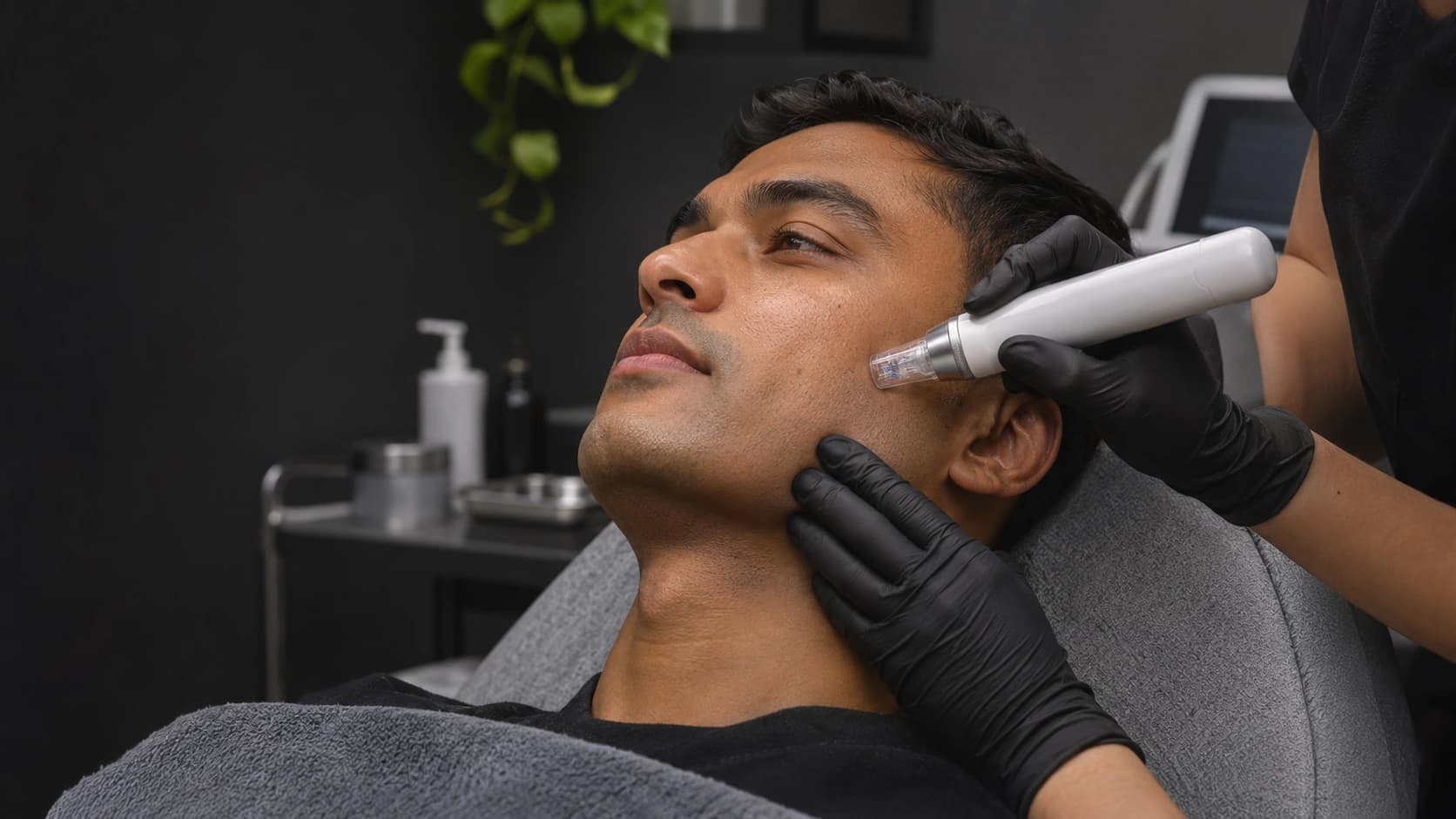
Conventional microneedling uses fine needles to create small punctures in the skin. It may be considered for selected scars or lines. Ask which scars your practitioner expects to respond, how improvement will be assessed and what redness or discomfort you might experience. The shape and depth of a scar influence the choice.
Tell the practitioner about active breakouts, skin infections and a history of abnormal scarring. A session may need to wait while a skin condition is assessed. If radiofrequency microneedling is suggested, ask about that procedure separately. The added heat changes the risk discussion.
If the concern is a flat mark or uneven surface colour
A chemical peel uses a solution to remove a controlled layer of skin. The depth matters. A light peel and a deeper peel have different recovery periods and potential complications, even when they share the same treatment name. Ask what depth is proposed and why it suits the mark.
A flat mark left after inflammation and a changing pigmented lesion need different assessments. Point out any new or changing spot before a cosmetic appointment. Tell the practitioner if irritation has left you with persistent dark marks in the past, as this may influence both treatment choice and aftercare.
If fine lines are visible at rest
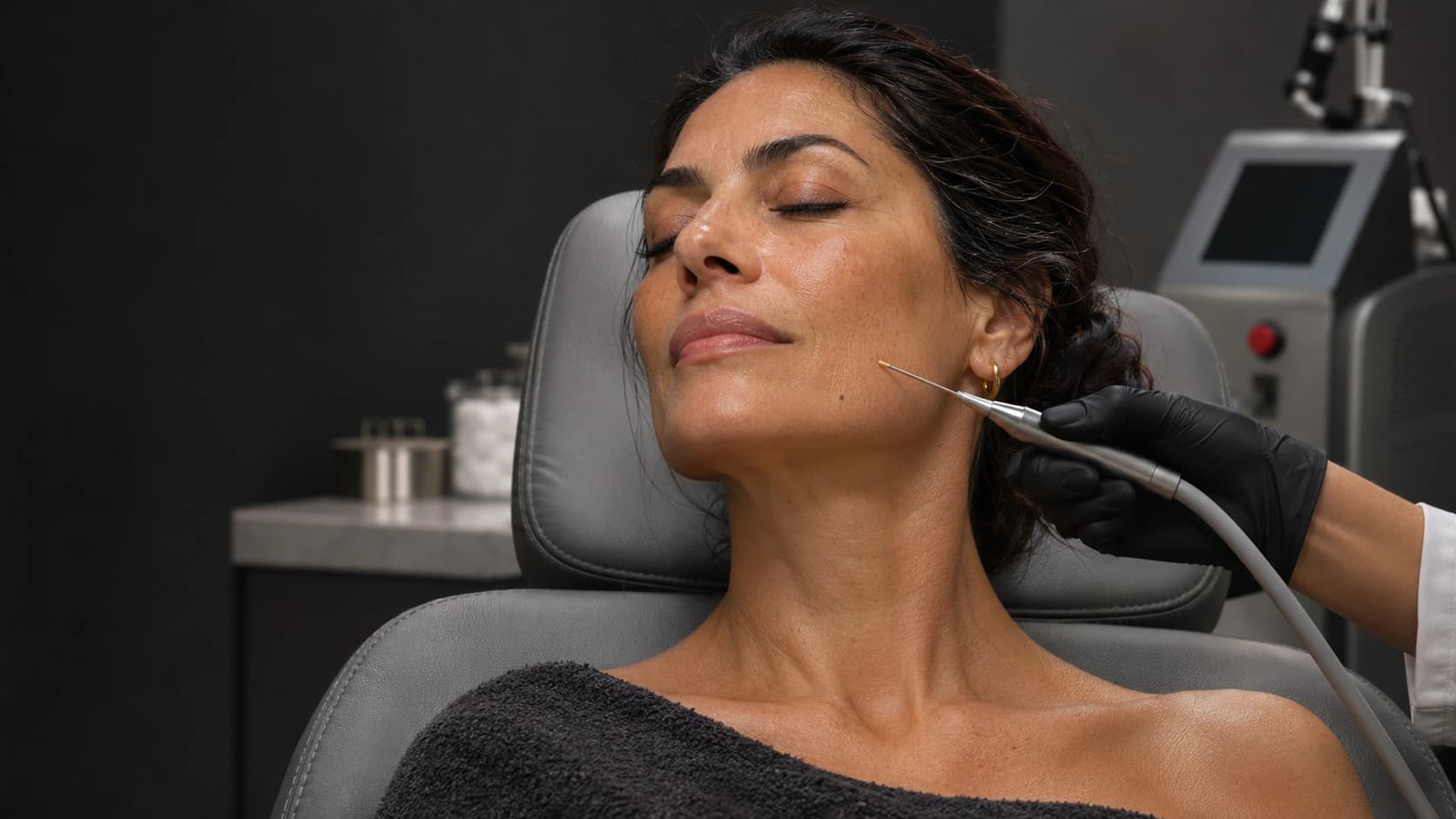
Fractional Co2 resurfacing treats small columns of skin with laser energy. For selected lines and irregular texture it may offer improvement, with healing time and risks including persistent redness, pigment changes, infection and scarring. Ask which areas would be treated and when the skin could tolerate makeup again.
Look at the line while relaxed and while smiling. Movement, loss of volume or a deep fold may account for part of what you see. A resurfacing procedure addresses the skin surface. Your assessment should explain how much of your particular concern that could change.
Use recovery time to narrow the choice
Set out the days that matter for work, exercise, travel or photographs. Ask separately about the time the skin needs to heal and how long redness, flaking or swelling could be visible. A gentler procedure may still require repeated visits, while a deeper treatment may mean a longer period of aftercare.
Before paying, ask for the exact procedure name, the proposed course, the total quote and an explanation of what happens if your skin reacts more strongly than expected. If the plan includes several procedures, ask what each adds and how the response to the first would change the next decision.
Discuss your options in Mayfair.
Meet the team at 205 Regent Street, London. Talk through suitability, realistic expectations, recovery and your personalised treatment plan.
Explore facial microneedlingView current prices & bookSources & further reading
- FDA – microneedling devices and risks
- American Academy of Dermatology – chemical peel questions
- Facial laser resurfacing and safety
First published . Updated .