
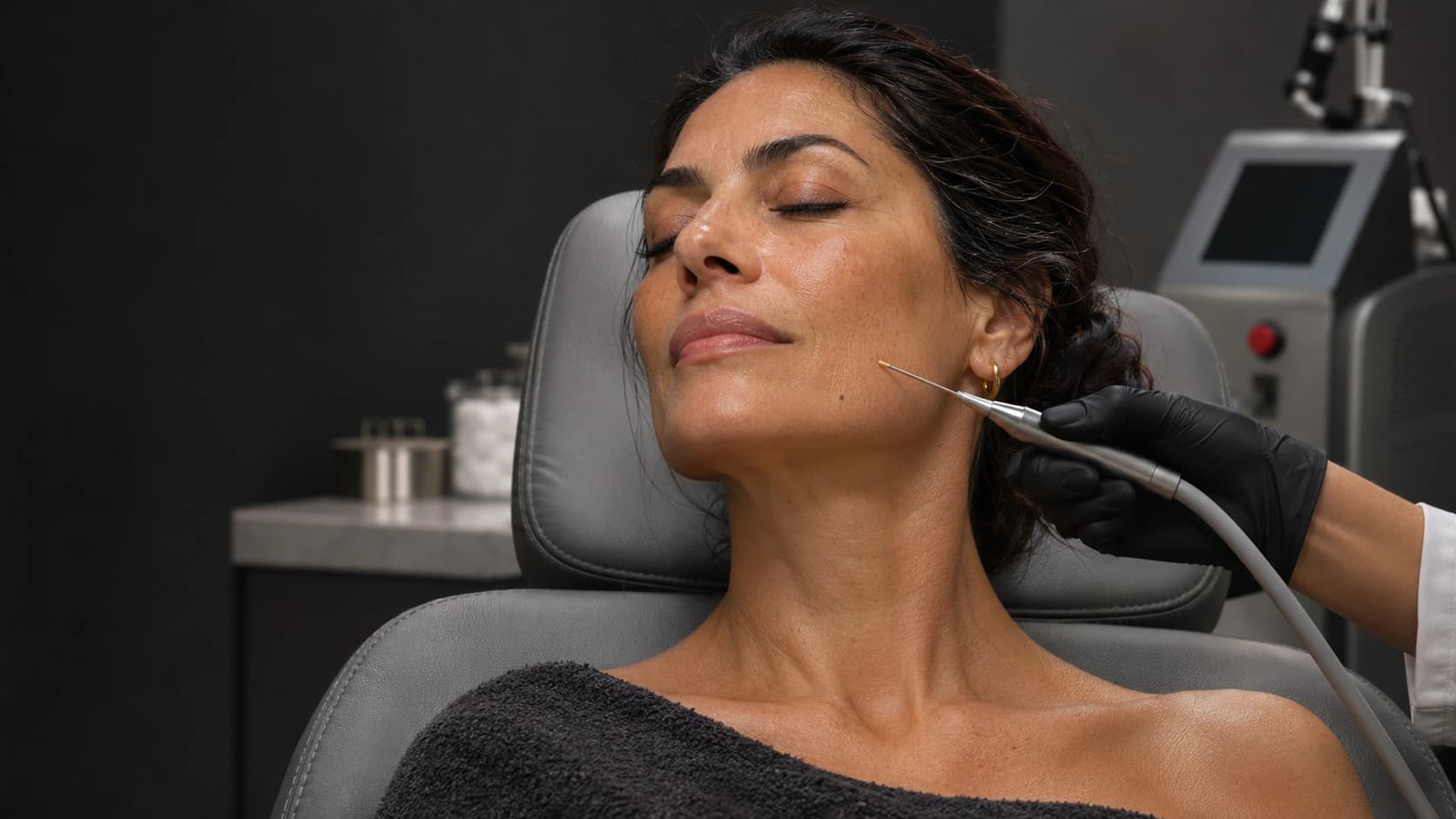
Hair Growth Injections: PRP, Options & What to Expect
Understand hair growth injections, how PRP works, where evidence differs and why a scalp assessment matters before treatment in Mayfair, London.
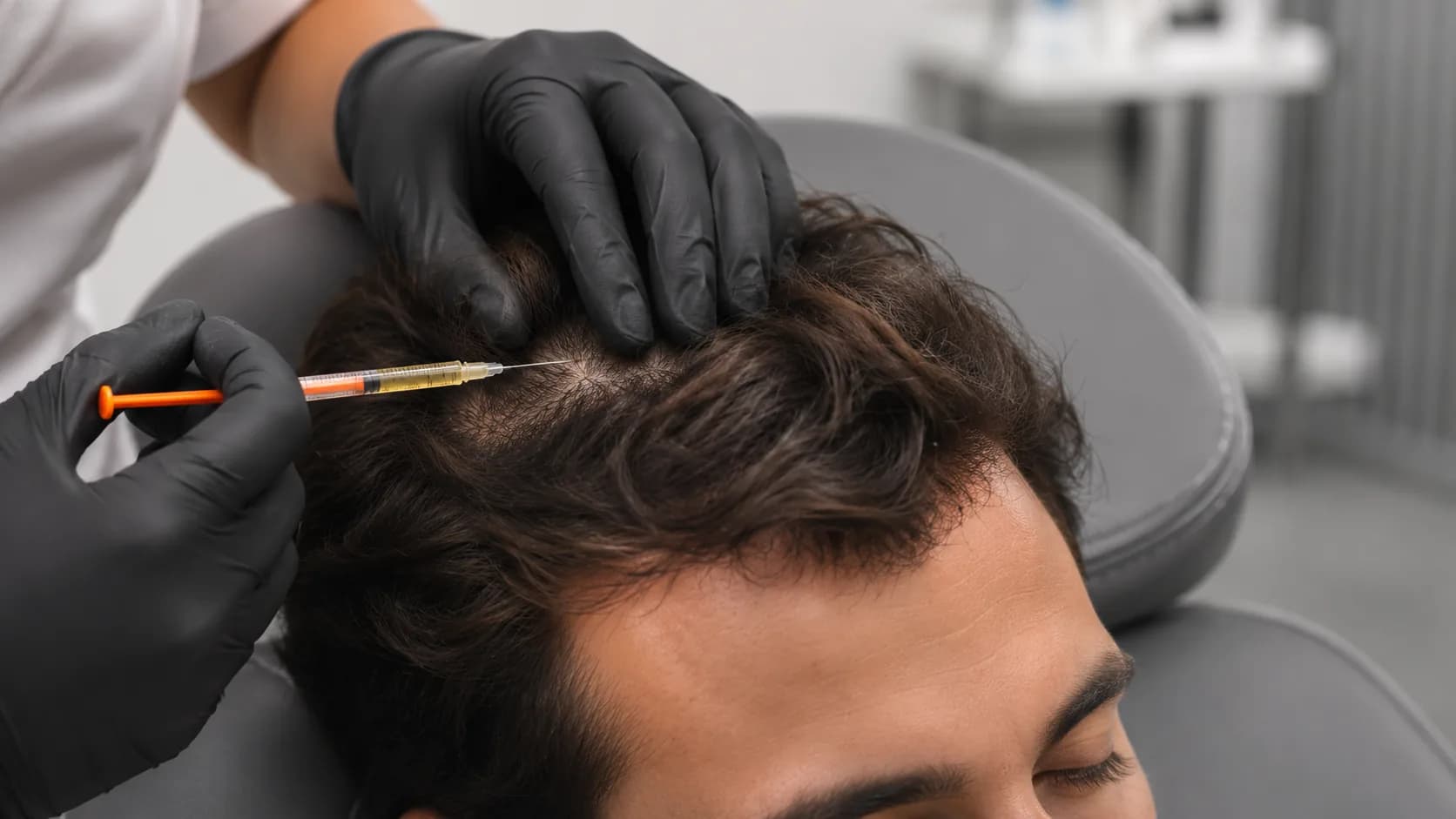
Hair growth injections are a group of different treatments, not a single procedure. PRP uses a preparation made from your own blood; other scalp injections use different substances for different reasons. The first step is to identify the cause of thinning and whether an injectable treatment is appropriate.
What is PRP for hair loss?
Platelet-rich plasma, or PRP, is prepared by processing a sample of your blood to concentrate a platelet-containing portion. This is injected into selected areas of the scalp as part of an individual treatment plan.
PRP is considered for some people with pattern hair loss, but it is not a cure for every form of shedding or baldness. Treatment protocols and individual responses vary. It cannot recreate an unlimited supply of follicles or guarantee that every thinning area will regrow.
How a PRP appointment works
Assessment comes first
Your practitioner should ask when hair loss began, how it has changed, whether there are scalp symptoms, and about your health, medicines and family history. Sudden, patchy or symptomatic loss may need medical assessment before cosmetic treatment. Some people need tests or a dermatology referral.
Blood is collected and processed
If PRP is appropriate and you decide to proceed, a small blood sample is taken and processed using the clinic's system. Ask what preparation will be used and what the proposed course is intended to achieve.
The scalp is treated
The prepared material is injected into the agreed scalp areas. Needle discomfort, tenderness and local reactions can occur. The practitioner should explain pain relief, aftercare and what to do if you have concerns.
Progress is reviewed
Hair changes are assessed over time rather than immediately after an injection. Consistent photographs and a planned review can help separate an actual change from differences in styling, lighting or hair length. Further sessions should have a clear rationale.
Are all scalp injections equivalent?
No. PRP, PRF, mesotherapy and prescribed medicines have different preparations, evidence and purposes. One treatment's study results should not be applied to every product advertised as a hair growth injection.
Mesotherapy describes an injection approach rather than a single standard formula. Ask for the exact product, ingredients, reason for use and relevant evidence. Claims that a vitamin mixture or a growth-factor product is automatically stronger than PRP need scrutiny.
Corticosteroid injections may be used by clinicians for selected conditions such as alopecia areata. They are not interchangeable with cosmetic scalp treatments. An accurate diagnosis determines whether such a treatment is relevant.
Minoxidil is commonly discussed as a topical hair-loss medicine. Do not assume that an injectable version is standard care or offers the same evidence. Discuss medicines and their appropriate use with a qualified prescriber.
Who might benefit, and who needs a different plan?
People with early or established thinning may wish to discuss PRP alongside other options. The cause of loss, remaining hair, scalp condition and stability of the problem matter more than a treatment's popularity.
Active scalp infection, blood or platelet conditions, medicines affecting bleeding and other medical circumstances can change suitability. Tell the clinician about ongoing care and do not stop prescribed medicines to prepare for injections without medical advice.
Risks, recovery and practical planning
Pain, bruising, swelling and local redness can occur after scalp injections. Infection and other complications are possible. Using your own blood does not make PRP risk-free; other products may also introduce ingredient-specific risks.
Ask when you can wash your hair, exercise and return to your usual scalp products. Follow the instructions given for your treatment. Increasing pain, spreading redness, discharge, fever or a worrying reaction should prompt contact with the treating clinic.
How many sessions and what cost?
There is no single number that suits every patient. Discuss the initial course, session spacing, review point, likely ongoing costs and what would make you stop or change treatment. A package should follow the clinical plan rather than determine it.
Use the current treatment page and booking system for prices. Your quote should make clear whether it covers a single visit, a course or additional treatments; do not compare packages by a headline per-session figure alone.
Questions worth asking
- What is the likely cause of my hair loss, and do I need medical investigation first?
- What exactly will be injected and what evidence supports it for my condition?
- What improvement is realistic, and how will we measure it?
- What are the alternatives and the total likely cost?
- When will we review whether treatment is worth continuing?
Discuss your options in Mayfair.
Meet the team at 205 Regent Street, London. Talk through suitability, realistic expectations, recovery and your personalised treatment plan.
Explore hair PRPView current prices & bookSources & further reading
- NHS: hair loss and treatment options
- American Academy of Dermatology: hair loss diagnosis and treatment
First published . Updated .