

Hair Transplant Recovery in the UK, From Healing to New Growth
Follow the usual recovery after a hair transplant, from caring for new grafts to shedding and visible growth. Learn when to contact your surgical team.
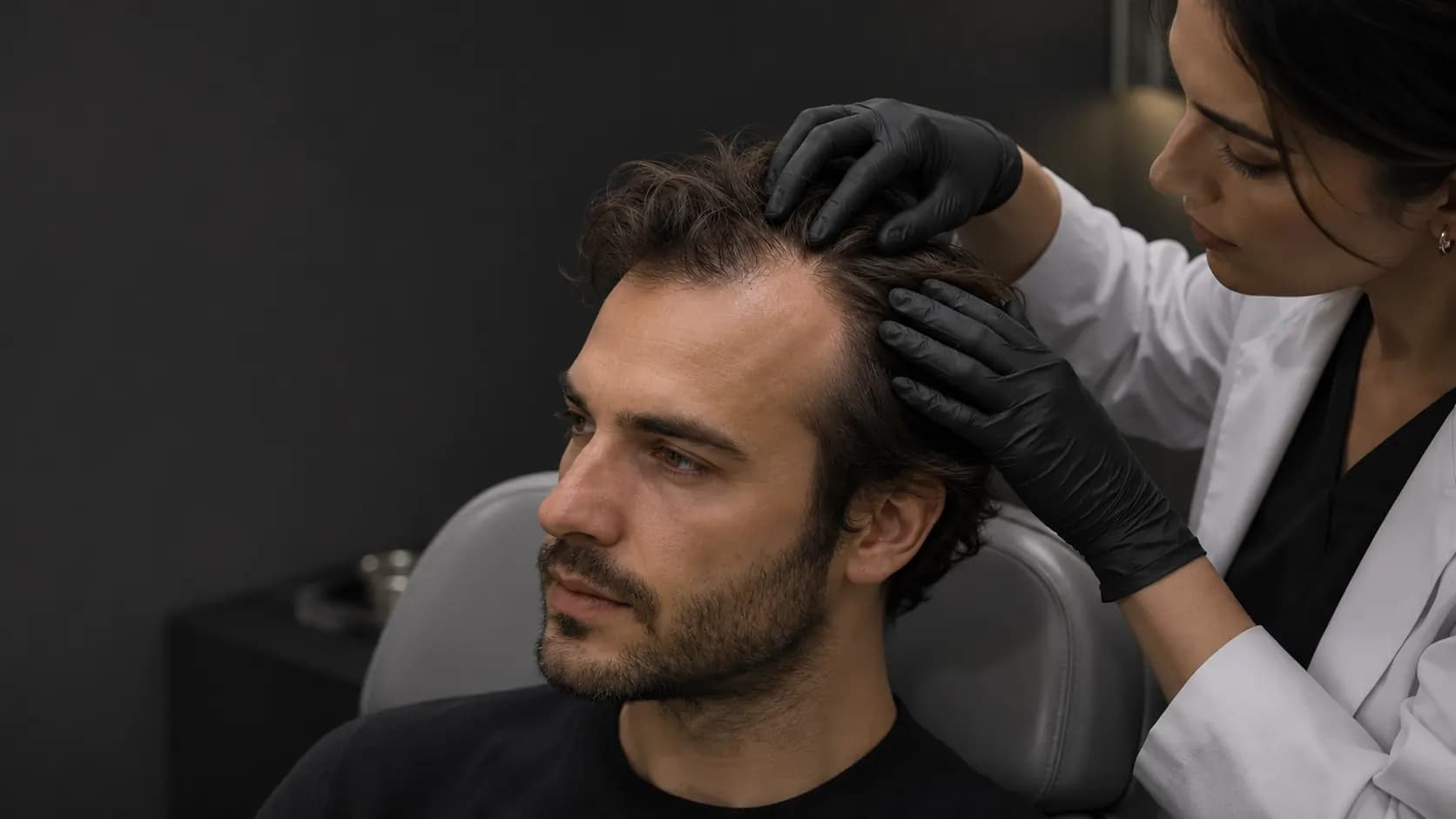
A scalp can look healed well before a transplant produces visible hair. The first two weeks mainly concern protecting the grafts and caring for the donor area. New hair usually starts to appear around month four. The NHS gives roughly 10 to 18 months as a guide to seeing the full result. Your surgeon can explain how these ranges fit your operation.
The first fortnight at home
Before leaving the clinic, get written instructions for sleeping, washing, prescribed products and the first review. Ask the team to show you which instructions apply to the donor area and which apply to the grafts. Keep their contact details with the instructions so you can reach them if something changes.
Mild swelling, tightness and small scabs can occur in the early days. Protect the grafts from rubbing and leave scabs to settle. Follow your surgeon’s washing schedule. If you need headwear for work, ask about the specific hat or helmet before your return. Someone doing heavy manual work may need a different plan from someone working at a desk.
The following weeks and shedding
Transplanted hair shafts often shed in the weeks after surgery. It can be unsettling to see short hairs come away after the effort of protecting the scalp. This stage alone cannot tell you how many follicles will grow. If shedding occurs alongside pain, discharge or increasingly inflamed skin, contact the surgical team.
Take a photograph at the interval your surgeon recommends. Keep the angle, haircut and lighting consistent. This makes a later comparison more useful than photographs taken every day at different distances.
Around month four and beyond
Early growth may be fine and uneven. A hairline can look different on each side while hairs emerge at different times. Use the planned review to discuss the donor area, changes in the surrounding native hair and progress in the treated area. Ask which changes the surgeon would expect by the next review.
If coverage is disappointing as the result matures, take your original plan and photographs to an appointment. The team can assess graft growth, ongoing native-hair loss and what the available donor supply allows before discussing any further procedure.
When to contact the clinic sooner
Severe or worsening pain, bleeding that continues, fever, spreading redness, pus or another unexpected change needs prompt advice. Contact the surgical team even if your next review is weeks away. If you cannot reach them and need urgent medical advice in the UK, contact NHS 111.
Discuss your options in Mayfair.
Meet the team at 205 Regent Street, London. Talk through suitability, realistic expectations, recovery and your personalised treatment plan.
Explore hair transplantationView current prices & bookSources & further reading
First published . Updated .